International Conservation Action Plan for the Critically Endangered Hump-Backed Mahseer: A Lifeline for India’s River Giant
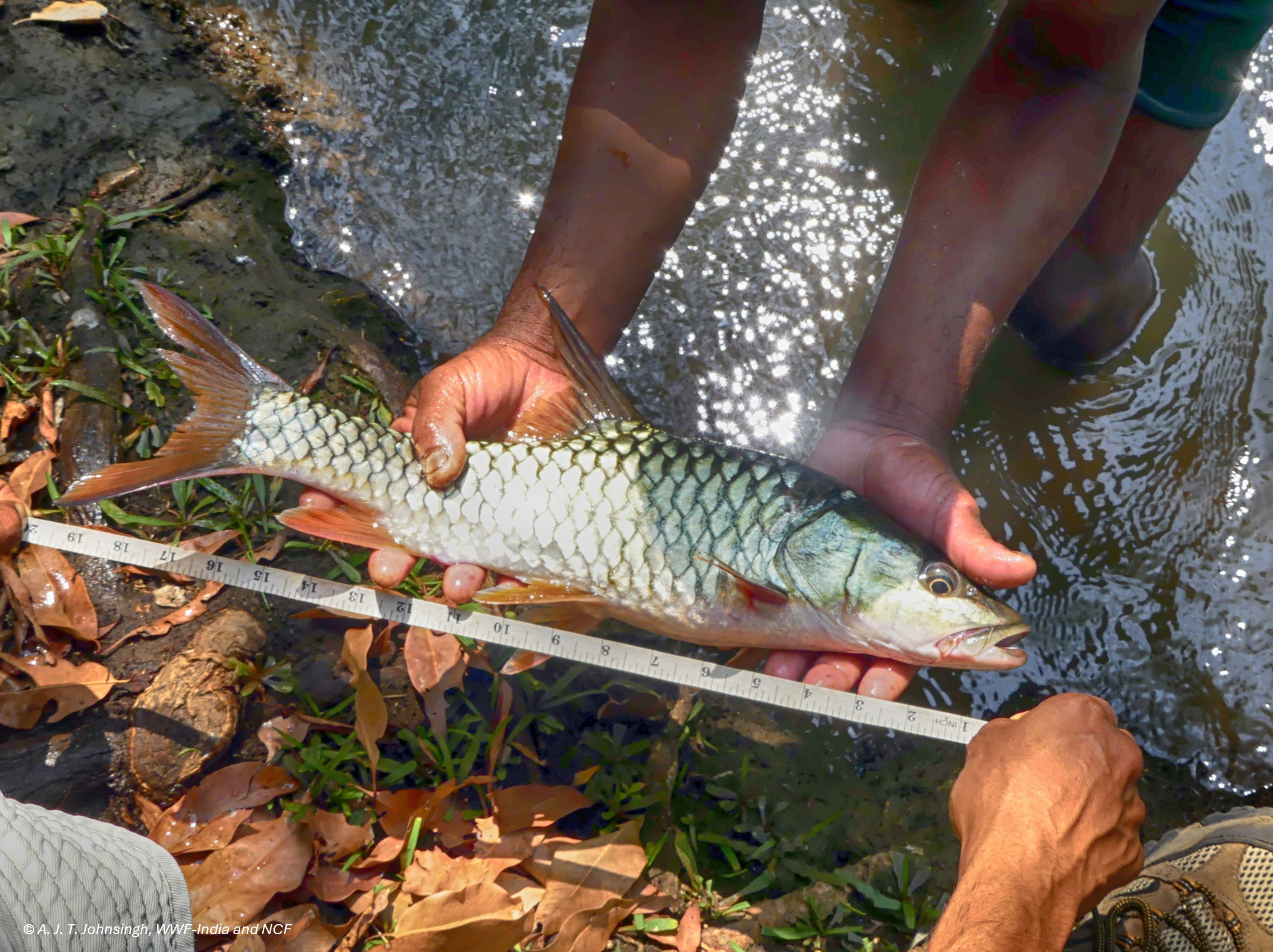
In early January 2026, scientists, policymakers, and conservation leaders from around the world convened in Kochi, India, to draft a groundbreaking conservation action plan for one of freshwater biodiversity’s most imperiled species, the hump-backed mahseer (Tor remadevii). This iconic river fish, once abundant in South India’s great rivers, now teeters on the edge of extinction, and the workshop marked a pivotal moment in saving it. The hump-backed mahseer, also known as the orange-finned mahseer, is a Critically Endangered freshwater fish endemic to the Cauvery River basin in the Western Ghats of India, a globally recognised biodiversity hotspot. It is renowned for its impressive size; individuals can grow over 1.5 metres long and weigh more than 50 kg, making them among the largest freshwater fish in the world. Despite its giant stature and cultural significance (often called the “tiger of the Cauvery” by anglers and locals alike) the species has declined more than 90 percent in the past century. Threats such as habitat loss, pollution, dam construction, sand and gravel mining, poaching and the introduction of invasive mahseer species have all contributed to its precipitous fall in numbers. Until relatively recently, the hump-backed mahseer’s taxonomic identity remained unclear, hindering scientific and conservation efforts. In 2018, integrative research confirmed its scientific name as Tor remadevii, enabling it to be formally classified and assessed. This has led to it being listed as Critically Endangered, which has helped catalyze global attention on the fish’s precarious future. The international consultative workshop — organised by the Kerala University of Fisheries and Ocean Studies (KUFOS) in partnership with the Mahseer Trust (UK), Bournemouth University, the Kerala State Forest Department and the Kerala State Biodiversity Board — aimed to convert decades of research into a strategic, implementable action plan to protect the hump-backed mahseer in the wild. Over the last 12 years, researchers from KUFOS and international partners have gathered vital baseline knowledge on the biology, ecology, and taxonomy of T. remadevii, work that now informs practical conservation strategies. “Hump-backed mahseer is the pride of Kerala, a flagship species that represents our streams and rivers,” said A. Biju Kumar, vice-chancellor of KUFOS, underscoring both the species’ symbolic importance and the urgency of immediate action. This decline is not just a crisis for one fish species; it reflects broader threats to riverine ecosystems. Freshwater species worldwide are among the most threatened groups on Earth, with anthropogenic pressures, particularly in biodiversity hotspots like the Western Ghats, driving rapid declines. Conservationists emphasize that efforts for T. remadevii must be integrated with river protection and sustainable management policies to benefit other freshwater fauna. Key elements of the emerging action plan include: • Habitat protection and restoration: safeguarding critical river stretches from destructive activities such as sand mining and unsustainable hydropower projects. • Research and monitoring: strengthening long-term studies on population trends, genetics, migration patterns, and habitat use. • Fishing regulations and enforcement: curbing illegal harvesting and overfishing practices that have decimated local populations. • Community engagement: involving local communities, anglers, and stakeholders in stewardship and education programmes. • Policy integration: aligning state and national conservation policies with actionable on-the-ground strategies that can be implemented effectively across the Cauvery basin. Participants in the workshop included representatives from the Wildlife Institute of India, Bournemouth University scientists, Mahseer Trust directors, and officials from the Kerala Forest Department. Their collaboration reflects a shared recognition that reversing T. remadevii’s decline requires global expertise and local commitment working together. Native only to South India’s Cauvery and its tributaries, the hump-backed mahseer’s continued existence is a barometer of river health. Its story has resonated internationally not only because of its sheer size and fighting spirit (prized by anglers since the 19th century) but also because it exemplifies the threats faced by many freshwater species: habitat fragmentation, competition with non-native species, and unregulated human activities. As the action plan takes shape, conservationists are hopeful that with sustained funding, coordinated policy, and community involvement, the worst of the decline can be halted, and maybe, just maybe, this mighty fish can flourish once again in the rivers it has long called home.
Photos and Videos
Explore More
To read more about this species and 14,000 other species around the world come to our website, register and explore more courageous stories like this one.
Pick an Animal and Save It