A Rare Visitor in the Night: How a Malayan Tapir Sighting Is Inspiring Conservation Hope in Singapore
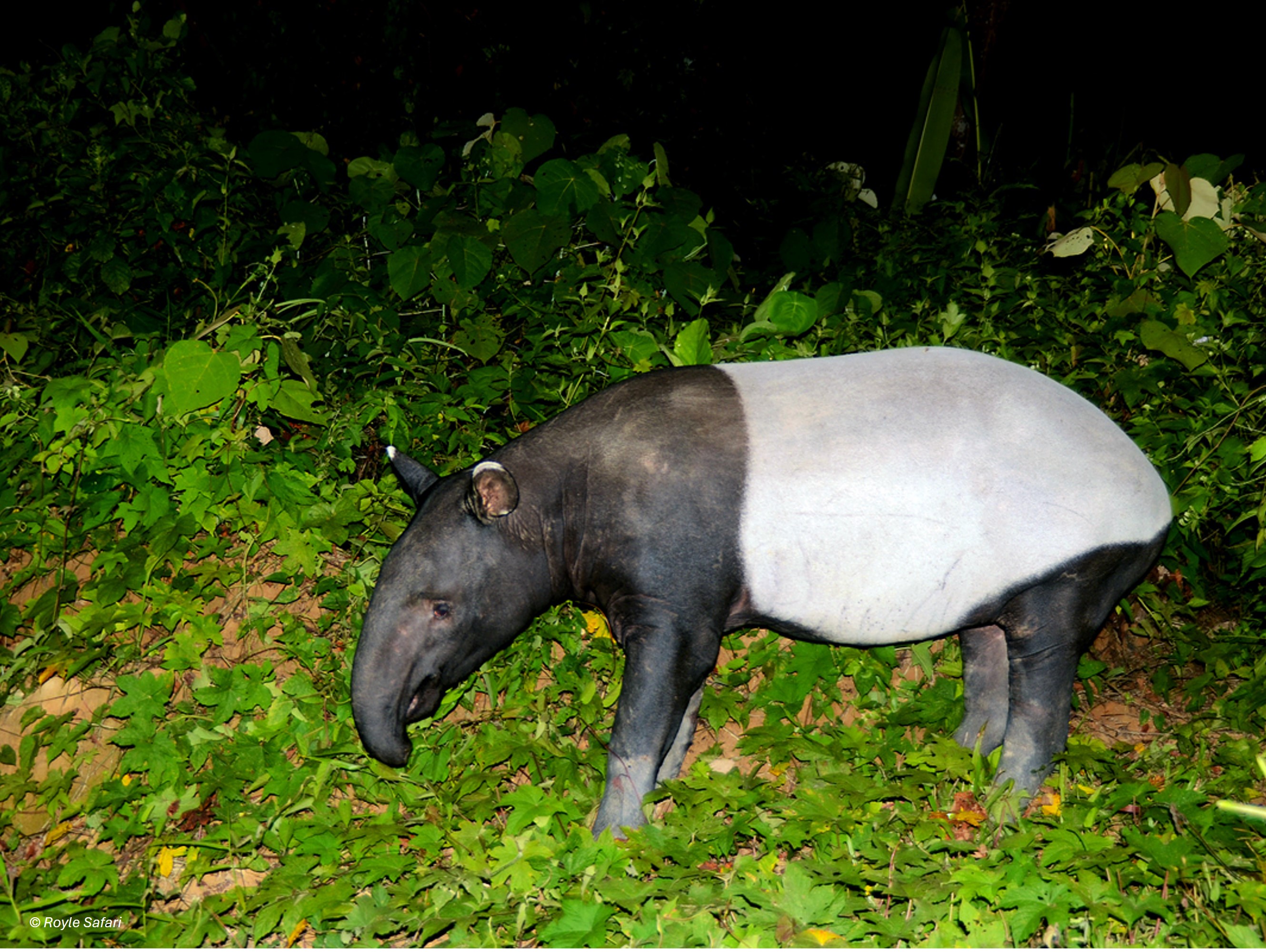
In a city famous for skyscrapers, shipping lanes, and dense urban living, an unexpected wildlife encounter recently reminded residents that nature still finds ways to persist. In early February 2026, a rare Malayan tapir (Tapirus indicus), a species classified as Endangered, was spotted wandering through Singapore’s Defu industrial area. The unusual sighting drew widespread attention, not only because of the animal’s striking black-and-white “saddle” pattern, but also because tapirs are seldom seen in the city-state. While the urban sighting captured headlines, it followed an even more significant conservation event: camera traps had already recorded the species in Singapore’s forests in late 2025, providing rare evidence that the elusive mammal still moves through the region’s ecosystems. For wildlife researchers and conservationists, these sightings offer both excitement and a reminder of the fragile balance between development and biodiversity in one of the world’s most urbanized countries. The Malayan tapir is the largest native land mammal in Southeast Asia, recognizable by its distinctive coloration and rounded body. Despite its prehistoric appearance (it has existed in similar form for millions of years), the species faces mounting threats today. Habitat destruction, road accidents, and poaching have pushed global populations to fewer than 3,000 individuals remaining in the wild, making it one of the region’s most vulnerable large mammals. Tapirs typically inhabit the dense forests of the Malay Peninsula, Sumatra, and parts of Thailand and Myanmar. Singapore, with its limited forest cover and highly urbanized landscape, is not usually considered part of the animal’s core habitat. That’s why sightings there are so rare and so important. The first modern evidence of a Malayan tapir in Singapore’s Pulau Ubin area emerged through wildlife camera traps deployed by researchers studying local mammals. These cameras captured the nocturnal animal multiple times as it moved through forested plantations and fed on fallen fruit and branches during nighttime hours. Researchers identified the animal as a single adult female based on a distinctive scar and repeated appearances across several camera-trap locations. The images confirmed that the tapir was roaming across the island and feeding naturally, indicating that the forest habitat could support the species at least temporarily. For scientists involved in the study, the moment was unforgettable. Camera traps are widely used in wildlife monitoring, but detecting a large endangered mammal in such a densely populated region is extraordinary. The discovery highlights how hidden biodiversity can persist even in landscapes shaped by human activity. Singapore’s National Parks Board (NParks) noted that tapir sightings in the country are extremely uncommon, with only a handful of documented cases in recent years, including sightings in Lorong Halus in 2023 and Pulau Ubin in 2024. When the animal was later seen near the Defu area in February 2026, authorities monitored the situation closely and reminded the public to keep a safe distance, avoid flash photography, and refrain from approaching or feeding the animal. Beyond the excitement of the sighting itself, conservationists say the event reflects broader environmental progress. Singapore has spent decades restoring patches of forest and protecting nature reserves such as the Central Catchment and Bukit Timah areas. Wildlife corridors, reforestation projects, and stricter environmental protections have gradually strengthened local ecosystems. While the Malayan tapir likely traveled into Singapore from neighboring Malaysia, its presence suggests that regional wildlife corridors still allow large animals to move across borders, despite increasing urbanization. Maintaining these connections is critical for the long-term survival of endangered species that require large territories and healthy forests. The rare tapir encounter also underscores the importance of public awareness. Wildlife experts emphasize that respecting wild animals’ space and protecting their habitats are essential steps in ensuring their survival. In many ways, the brief appearance of a tapir wandering through Singapore’s landscape symbolizes something bigger than a single animal. It is a reminder that even in the most modern cities, biodiversity still persists, and with careful stewardship, it can continue to do so. For conservationists, that quiet figure moving through the night is more than just a rare sighting. It is a sign that nature’s resilience, when supported by thoughtful conservation and responsible development, still has room to thrive. This story was made possible by a Salvex repurposing strategy. A lot of 22 Metric Tons of EM12K and ER70S-6 welding wire was available as unused surplus for structural applications by a Singapore logistics solutions provider and repurposed in Singapore, Singapore. This also created a carbon offset of 49 tCO2e. https://www.salvex.com/listings/listing_detail.cfm/aucid/183053338
Photos and Videos
Explore More
To read more about this species and 14,000 other species around the world come to our website, register and explore more courageous stories like this one.
Pick an Animal and Save It