A Tiny Blue Miracle: The Spix’s Macaw Chick Giving New Hope to One of the World’s Rarest Birds
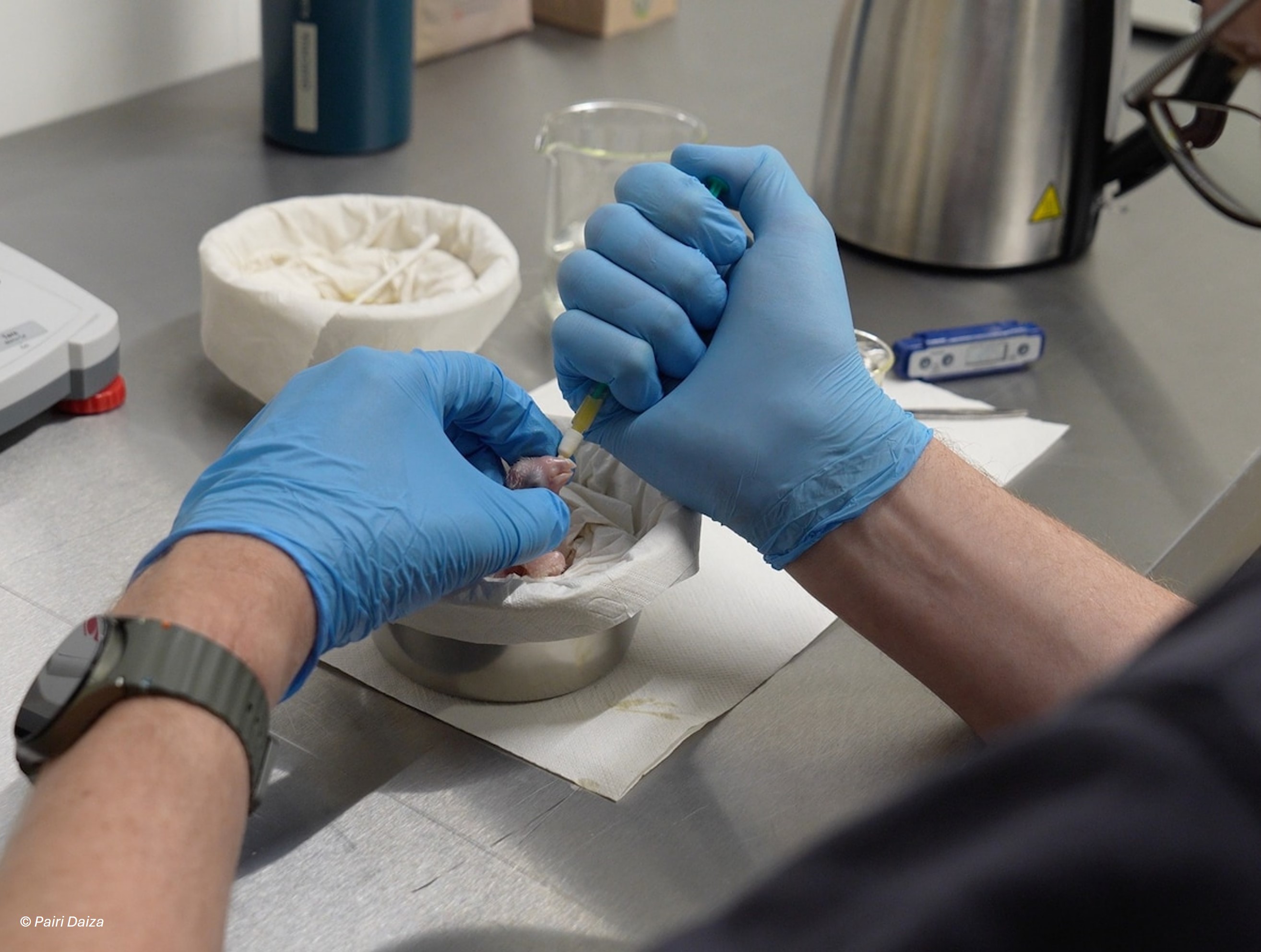
IIn the world of wildlife conservation, some victories are quiet, fragile, and incredibly rare. One such moment came on September 21, 2025, when a tiny chick hatched from its shell inside a protected breeding facility at Pairi Daiza Zoo in Belgium. The hatchling belonged to the Spix’s macaw (Cyanopsitta spixii), a brilliant blue parrot species that has been declared extinct in the wild for more than two decades. For conservationists, the moment represented far more than the birth of a single bird. It was a breakthrough after years of setbacks, and a powerful reminder that determined conservation efforts can help bring species back from the brink of extinction. The Spix’s macaw once lived in the Caatinga forests of northeastern Brazil, nesting in gallery woodlands near seasonal rivers. But by the late 20th century, deforestation, habitat degradation, and illegal wildlife trafficking had pushed the species to the edge. By the year 2000, it was officially declared extinct in the wild. Only a handful of individuals survived in captivity, scattered across breeding programs and conservation facilities around the world. Saving the species required an ambitious international effort, one that would rely heavily on captive breeding, genetic management, and habitat protection in Brazil. Pairi Daiza Zoo joined the global conservation effort in 2018, collaborating with institutions including Brazil’s Chico Mendes Institute for Biodiversity Conservation (ICMBio) and the São Paulo Zoo. The zoo established a specialized Centre for the Conservation of Endangered Bird Species, where a group of Spix’s macaws would be carefully monitored and bred as part of the international program. But success did not come quickly. For years, conservationists watched egg after egg fail to hatch. According to the zoo, 100 eggs had been laid without producing a chick, leaving experts uncertain whether the birds would ever reproduce successfully in the facility. Then came the 101st egg. Against the odds, the embryo developed, and a tiny blue macaw chick finally emerged. Conservation staff described the moment as “a miracle of life,” the result of years of patience, careful research, and constant dedication. From the moment it hatched, the chick required intense care. Specialists removed the egg from its inexperienced parents before hatching to increase the bird’s survival chances. Once born, caretakers began hand-feeding the chick every two hours, monitoring its growth closely during its most fragile early days. Although the bird will not be released into the wild immediately, it will play an important role in the global breeding population, helping strengthen genetic diversity among captive birds and supporting the long-term recovery of the species. Today, only a small number of Spix’s macaws exist worldwide, almost entirely within conservation breeding programs. Facilities in Germany, Brazil, and Belgium are collaborating to rebuild a healthy population that can eventually be reintroduced to the bird’s natural habitat. The ultimate goal is to return these birds to Brazil’s Caatinga ecosystem, where protected areas and restoration projects are already being established to support their survival. In fact, conservationists have already begun reintroducing captive-bred birds into the wild in recent years, a hopeful step toward restoring the species to its historic home. At first glance, the birth of a single parrot might seem like a small victory. But for a species once believed lost forever, each new chick represents something extraordinary: another step toward survival. The Spix’s macaw has become a global symbol of conservation, famous not only for its vibrant blue feathers but also for the long battle to save it from extinction. And now, thanks to the dedication of scientists, conservationists, and wildlife caretakers around the world, the future of this rare bird is slowly taking flight again. This story was made possible by a Salvex repurposing strategy. A lot of Sungrow SG125-250HX Solar Inverters (2 Units) were no longer needed for the company's own operation and were available as unused surplus and repurposed in Hooglede–Gits, Belgium. This also created a carbon offset of 6 tCO2e. https://www.salvex.com/listings/listing_detail.cfm/aucid/183049619
Photos and Videos
Explore More
To read more about this species and 14,000 other species around the world come to our website, register and explore more courageous stories like this one.
Pick an Animal and Save It