After 30 Years, Gorillas Return to San Antonio Zoo — A New Chapter for a Critically Endangered Species
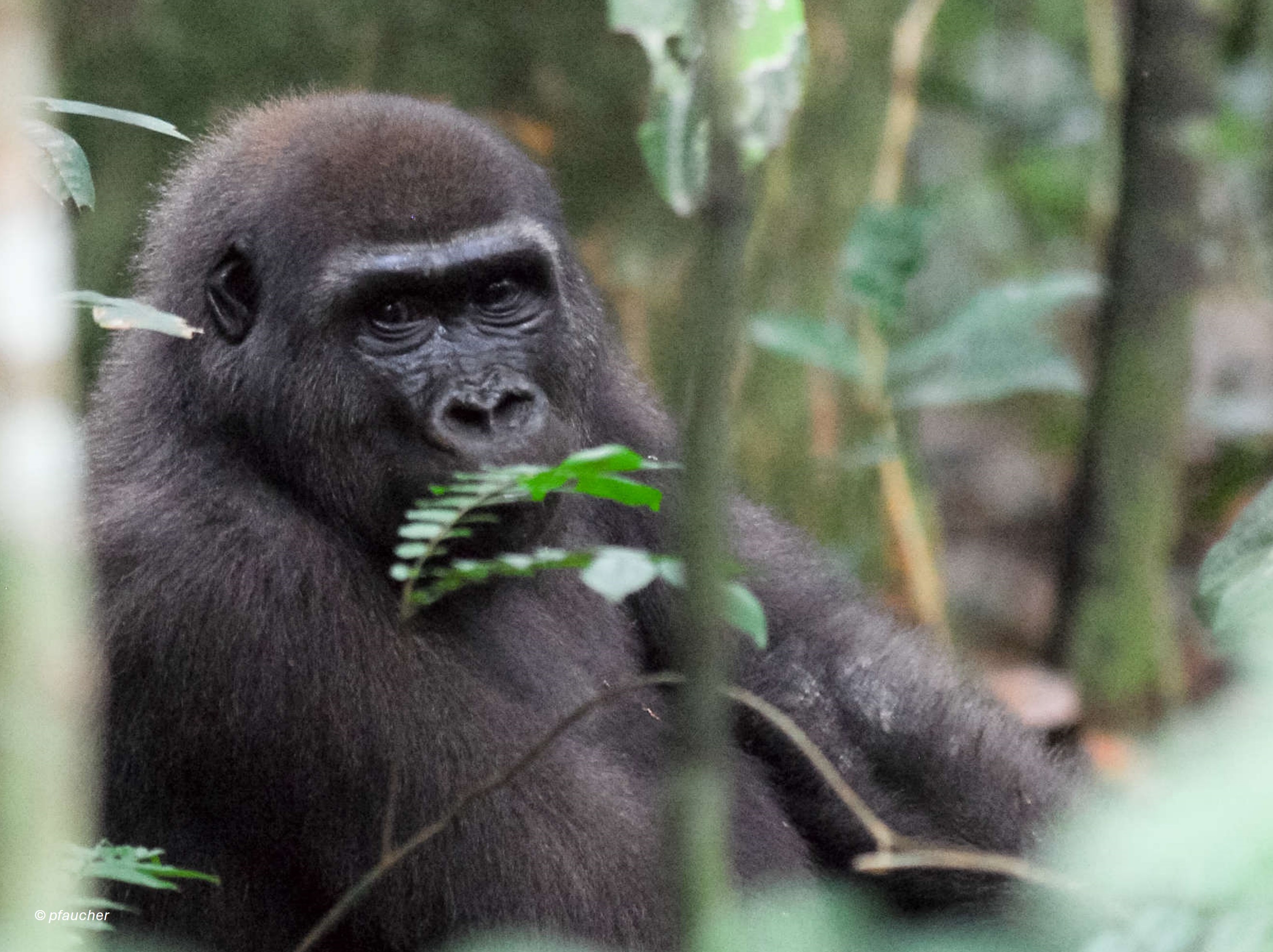
For the first time in more than three decades, western lowland gorillas, one of the world’s Critically Endangered great apes, have returned to the San Antonio Zoo with the opening of its ambitious new habitat, Congo Falls. This moment marks not just a milestone for the zoo, but an inspiring chapter in the global effort to conserve these remarkable animals and educate the public about their plight. Nestled in San Antonio’s Africa Live section, Congo Falls is a two-acre, immersive habitat designed to replicate elements of the African jungle where gorillas naturally live. The exhibit includes lush terrain, a 30-foot waterfall, overhead pathways, and a 70-foot-tall observation tower that encourages natural behaviors like climbing and viewing the landscape from above. The arrival of gorillas is the culmination of a long-term vision by the zoo’s leadership; an idea first proposed in the 2018 master plan to bring gorillas back after a 35-year absence. The zoo’s last gorilla habitat closed in the 1990s, leaving a gap in one of the institution’s most iconic species collections. Congo Falls officially opened to the public on December 13, 2025, an important addition to the zoo’s conservation portfolio. What makes this reopening especially meaningful is the composition of the gorilla group now residing in the habitat. There are seven western lowland gorillas, a family group that includes female gorillas Andi, Merry, and Anaka from Zoo Atlanta, and males such as Ajari from the Houston Zoo. In addition to the family group, three males, Shana, B’wenzi, and Juba, form a “bachelor troop” transferred from the Dallas Zoo. These transfers are part of the Association of Zoos & Aquariums’ Species Survival Plan, which carefully coordinates breeding and relocation to support genetic diversity and population sustainability. The western lowland gorilla (Gorilla gorilla gorilla) is listed as Critically Endangered due to a combination of threats in the wild: habitat loss driven by deforestation, expanding agriculture and mining, disease outbreaks such as Ebola, and poaching. These pressures have decimated wild populations in regions of Central and West Africa, prompting urgent conservation action. San Antonio Zoo’s Congo Falls isn’t just about displaying gorillas; it’s a living conservation platform. The design of the habitat encourages natural behaviors, social interaction, and physical enrichment, all while educating visitors about the threats gorillas face in the wild and the importance of preserving biodiversity. According to zoo leaders, the immersive setting fosters a deeper connection between guests and the animals, one that can translate into greater support for conservation efforts beyond the zoo gates. For many visitors, seeing gorillas up close is a rare and impactful experience. Unlike observing animals on screens or in books, an immersive habitat offers a tangible moment of connection and a chance to witness the intelligence, strength, and social complexity of creatures that share more than 98% of their DNA with humans. This kind of experience can ignite curiosity, compassion, and advocacy, all of which are critical for species that struggle for survival in the wild. The opening of Congo Falls also highlights the evolving role of modern zoos in global conservation. Rather than simply housing animals for display, today’s accredited zoological institutions partner across borders, contribute to scientific research, support habitat protection projects, and educate millions about biodiversity and ecological stewardship. In a time when so many species face shrinking wild populations and habitat destruction, the return of gorillas to the San Antonio Zoo is a hopeful story. It shows that through collaboration, careful planning, and thoughtful design, zoos can play a vital role in safeguarding endangered animals and inspiring the next generation of conservationists. If you care about endangered wildlife, biodiversity, and meaningful conservation, visiting or supporting projects like Congo Falls helps ensure that these great apes and the ecosystems they represent remain part of our world for generations to come.
Photos and Videos
Explore More
To read more about this species and 14,000 other species around the world come to our website, register and explore more courageous stories like this one.
Pick an Animal and Save It