After Cyclone Senyar, Indonesia Floods Push the Tapanuli Orangutan Closer to Extinction
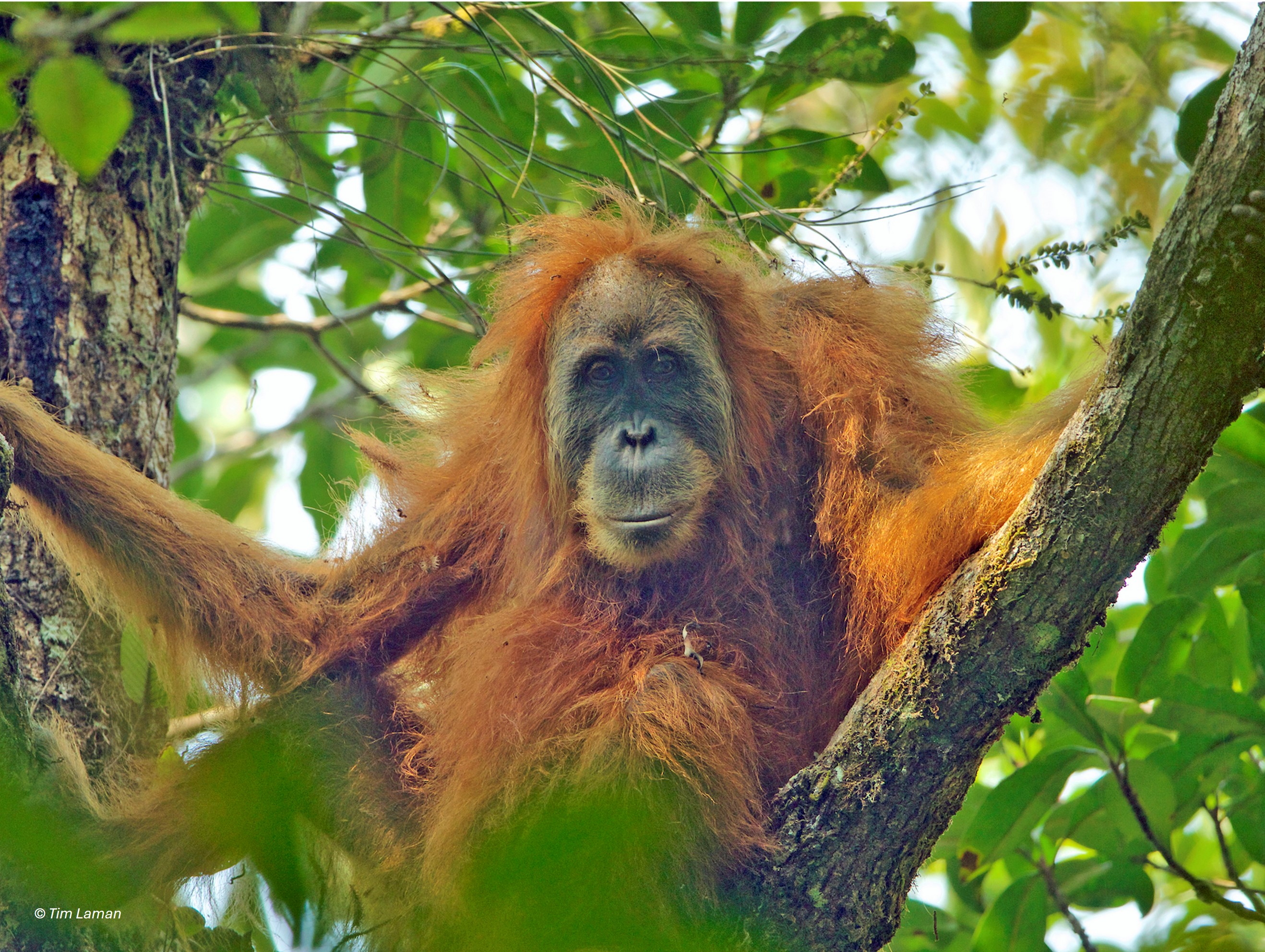
Late November 2025 brought catastrophic flooding and landslides to Sumatra, Indonesia, driven by intense rains from Cyclone Senyar and worsened by deforestation and land degradation. The human toll was immense, nearly 1,000 people died, and millions were displaced, but the disaster’s impact on wildlife has also shaken conservationists worldwide. Among the hardest hit was one of the planet’s most vulnerable creatures: the Tapanuli orangutan (Pongo tapanuliensis), the rarest great ape on Earth. The Tapanuli orangutan was only recognized as a distinct species in 2017 and is classified as Critically Endangered because of its tiny population and shrinking habitat. Fewer than 800 individuals are believed to remain, all confined to a small swath of rainforest in the Batang Toru ecosystem of northern Sumatra. This population was already under extreme pressure from human activities. Logging, mining, agricultural expansion, and proposals for large infrastructure projects like a hydroelectric dam have fragmented the orangutans’ forest home for years. Such fragmentation not only reduces habitat but also makes hillside slopes more vulnerable to erosion, increasing the threat of landslides. When the floods and landslides hit in late November, they did more than sweep away soil and uproot trees; they tore apart critical habitat. Satellite imagery studied after the disaster shows gashes in the mountainous forest landscape stretching for more than a kilometer and strips of exposed soil nearly 100 meters wide. Conservation scientists have described the event as an “extinction-level disturbance” for the Tapanuli orangutan because it obliterated significant portions of the habitat that sustain this tiny population. The western block of Batang Toru’s forest (where orangutans were most densely concentrated) was hit especially hard. Before the flooding, an estimated 581 Tapanuli orangutans lived there; after the disaster, scientists estimate that between 6 % and 11 % of the orangutans in that area may have been killed by landslides and debris flows, amounting to dozens of individuals in just a few days. One body discovered downstream in mud and debris is a heartbreaking confirmation of the danger these animals faced during the storm. But field researchers and rangers have also reported eerily quiet forests where long calls and movement through the canopy were once common, a sign that survivors may have been displaced or forced deeper into fragmented habitat. The biological implications of this kind of loss are enormous. Orangutans reproduce slowly, with females giving birth only once every six to nine years. Adult mortality rates exceeding 1 % per year are already devastating for such a small population; losses of 6 % or more in days dramatically accelerate the risk of extinction. Given that Tapanuli orangutans occupy only about 1,000 square kilometers of forest and dwindling genetic diversity hinders recovery, each individual lost carries outsize consequences. Scientists now emphasize that this disaster is not just a natural event in isolation but a product of interacting influences, including climate change, deforestation, and human land use, that destabilize landscapes and magnify the impact of extreme weather. Years of tree cover loss in North Sumatra undermined the forest’s ability to absorb heavy rainfall, contributing to the scale of landslides that raged through the Tapanuli range. In the wake of the flooding, conservationists have renewed urgent calls for stronger protection of Batang Toru’s forest, immediate halts to industrial development in key orangutan habitat, and comprehensive population surveys to assess the full impact of the disaster. Experts argue that expanding protected areas and restoring degraded forest corridors are essential to give the species any chance of survival in a rapidly changing climate. The story of the Tapanuli orangutan now stands as an illustration of how climate-driven extreme weather and long-term habitat destruction intersect to threaten wildlife already perched on the brink. The species’ future and the fate of other endangered animals that share its diminishing habitat depend on urgent action to protect what remains of their forest home. For readers concerned about the world’s endangered species, this tragedy underscores that conservation isn’t only about slowing long-term declines; it’s also about building resilience in ecosystems so that rare wildlife can survive sudden shocks. In the face of accelerating climate change and relentless habitat loss, the world’s rarest great ape needs more than hope: it needs rapid, decisive conservation intervention to prevent a disappearance that would mark a profound loss for biodiversity.
Photos and Videos
Explore More
To read more about this species and 14,000 other species around the world come to our website, register and explore more courageous stories like this one.
Pick an Animal and Save It