After More Than a Decade, a Hawksbill Turtle Returns to Abu Dhabi — A Powerful Sign That Conservation Works
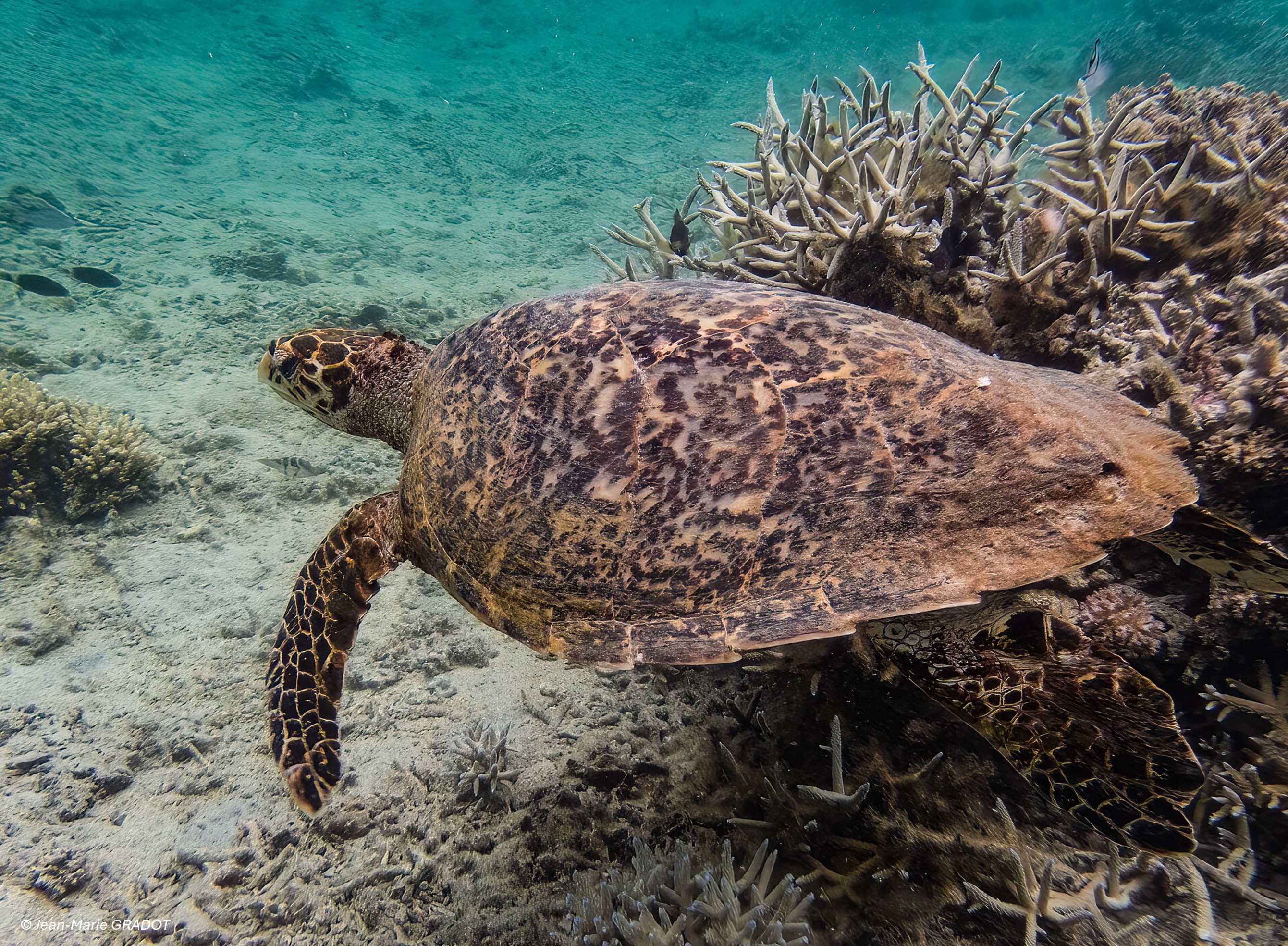
In a remarkable chapter for wildlife conservation in the United Arab Emirates, a Critically Endangered Hawksbill sea turtle (Eretmochelys imbricata) has returned to an Abu Dhabi beach where it was first tagged more than 12 years ago. This extraordinary homecoming, recorded on April 29 during the Environment Agency, Abu Dhabi’s (EAD) annual nesting survey, offers tangible evidence that sustained efforts to protect marine habitats are beginning to pay real dividends. The turtle was originally tagged in 2013, and its reappearance more than a decade later on the same shoreline shows an impressive pattern of site fidelity, the instinct that drives sea turtles to return to the very beaches where they were born in order to nest. In a world where many endangered species struggle to survive amid habitat loss, pollution, and human pressures, this return speaks to more than just one animal’s instinctive journey: it reflects a long-term commitment to safeguarding critical marine ecosystems around Abu Dhabi. Hawksbill turtles are globally recognized as one of the ocean’s most endangered sea turtle species, primarily because of historical overexploitation for their uniquely patterned shells, once prized in jewelry and ornamentation. Today, they are classified as Critically Endangered, meaning they face an extremely high risk of extinction in the wild without active conservation efforts. Their survival is not only a matter of species numbers; these turtles play a vital ecological role, helping maintain the health of coral reef ecosystems by consuming sponges and other invertebrates that compete with corals for space. In the UAE, Hawksbill turtles are the only sea turtle species that regularly nest on local beaches, although other species such as green turtles also visit the emirate’s waters. Abu Dhabi’s coastline provides critical habitat for these journeys, and agencies have recognized the importance of protecting it. The EAD monitors nesting activity from March through August, documenting both the nests and any adult females that arrive to lay eggs. This scientific monitoring allows authorities to assess nesting trends and hatching success year after year. In 2024, EAD recorded 247 Hawksbill turtle nests in the emirate, up from 193 in 2022, and achieved a hatching success rate of around 72 percent, a promising indicator of a stable or improving local population. These figures demonstrate a sustained increase in nesting, suggesting that protective measures are having a positive impact. Abu Dhabi’s approach to marine conservation extends beyond monitoring. Federal laws protect sea turtles and their habitats, and protected areas such as the Marawah Marine Biosphere Reserve serve as vital foraging and nursery grounds. The UAE is also a signatory to international agreements aimed at safeguarding migratory sea turtles and their habitats across regions. But the story here isn’t just about statistics or programs. It’s about an individual turtle’s instinctive journey back to a place of safety after more than a decade at sea, a powerful symbol of hope for a species that has faced severe threats worldwide. It is a reminder that when communities, governments, scientists, and conservationists work together with persistence and purpose, even those species on the brink of extinction can find a chance to recover. As coastal development continues and climate pressures grow, protecting nesting beaches and marine habitats remains essential. The return of this Hawksbill turtle to Abu Dhabi’s shores should inspire both celebration and renewed commitment: a testament that protection efforts can work when given time, attention, and collective will. This story was made possible by a Salvex repurposing strategy. A lot of 12 WANNATE TDI-80 drums (3,000 kg) suffered deformation damage during handling and were available as surplus by a Hong Kong claims recovery and consulting firm and repurposed in Dubai, UAE. This also created a carbon offset of 9.4 tCO2e. https://www.salvex.com/listings/listing_detail.cfm/aucid/183057759/
Photos and Videos
Explore More
To read more about this species and 14,000 other species around the world come to our website, register and explore more courageous stories like this one.
Pick an Animal and Save It