Backlash grows over proposed elephant cull at south africa’s madikwe game reserve
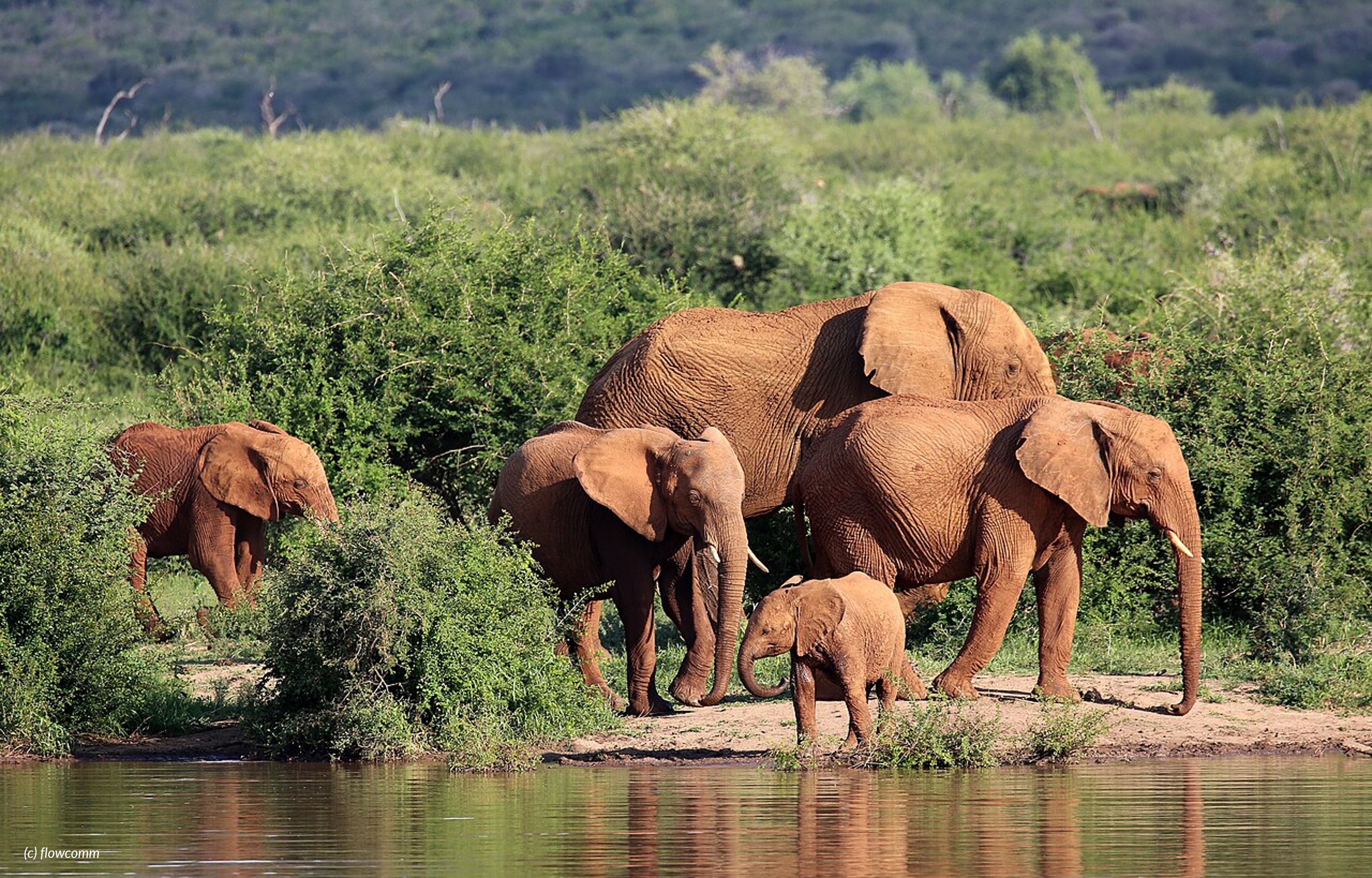
South Africa’s Madikwe Game Reserve—a 75,000-hectare, fenced Big Five destination on the Botswana border—has become the center of a national row after provincial officials moved to reduce elephant numbers through a mix that could include culling and trophy hunts. Conservationists, veterinarians and tourism operators say the plan is rushed, poorly justified and risks damaging a reserve built on decades of rewilding success. In early September, a report highlighted that the North West Parks and Tourism Board (NWPTB) is weighing “population reduction strategies,” with its acting CEO confirming these could include culling alongside contraception. The board argues Madikwe now holds more than 1,600 elephants, far above a planned capacity of 500. A tender published in May 2025—since withdrawn—reportedly listed 25 elephants, two black rhinos and 10 buffalo for trophy hunting at Madikwe, intensifying the backlash. Animal-welfare groups say officials let the situation deteriorate and are now reaching for the most extreme tools. The NSPCA (South Africa’s national SPCA) condemned the normalization of lethal control as “economic opportunity,” while noting the organization has offered immuno-contraception at Madikwe for years. The Democratic Alliance (an opposition party with national profile) likewise accused NWPTB of ignoring Parliament’s directives to include NSPCA in the task team managing the crisis. The elephant debate exploded after severe 2024 drought and a documented wave of mortalities inside the reserve. In June 2025, a Parliamentary committee heard evidence that at least 70 elephants died of starvation since August 2024, and grilled provincial officials on long-delayed preventative steps like contraception and translocations. A mirrored copy of the Daily Maverick report on the hearing records MPs calling the situation “absolute neglect” and warning that any lethal plan requires independent oversight and clear ecological goals—none of which, they said, were presented. At the same time, other analyses pointed to dense elephant numbers in a closed, predator-free, permanent-water system, with a 2024 aerial count cited at 1,633 elephants and an estimated 2.7 elephants/km²—among the highest densities recorded in fenced South African reserves. That science-leaning view argues inaction is not an option, but still leaves open which tools (non-lethal or lethal) are justified and in what sequence. What opponents and supporters say • Opponents: The tender was non-transparent, risks a reputational hit to a flagship tourism economy, and frames living wildlife as revenue levers. They argue contraception, habitat restoration, and targeted translocations were available earlier and should be prioritized now, with the NSPCA fully integrated into oversight. • Supporters: With forage hammered and elephants altering vegetation at scale, population reduction—potentially including lethal control—is presented as a last-resort ecological triage in a fenced system, alongside rolling out contraception and exploring relocations where feasible. What’s actually on the table According to NWPTB, the province will consider contraception, live removals to suitably large habitats, and—if required—culling. The board says hunting/culling revenue would be reinvested into reserve management; critics respond that economic motives appear to be driving decisions more than transparent ecological targets. A legislative “turnaround strategy” has been acknowledged by a provincial committee, but stakeholders are still waiting for the detailed, peer-reviewed plan—with milestones, monitoring, and explicit welfare safeguards. The African savanna elephant is globally classified as Endangered, a backdrop that raises the ethical and reputational stakes around any cull. At the same time, fenced reserves face real carrying-capacity limits, and drought will recur. The lesson from other Southern African parks is that durable solutions typically combine tools: phased immuno-contraception, adaptive water-point management, habitat recovery, ecological corridors (where politics and land allow), and only then, if necessary, tightly governed reductions with independent oversight. Madikwe stands at a fork in the road. One path leans into short-term lethal reductions wrapped in a tender process that upset scientists, welfare groups and lodges; the other demands transparent, science-led sequencing with contraception and habitat recovery up front, and iron-clad welfare and auditing if lethal control is ever used. With tourism reputation, animal welfare, and biodiversity all on the line, the province’s next move will set a precedent for how South Africa handles elephant management in fenced reserves under climate stress.
Photos and Videos
Explore More
To read more about this species and 14,000 other species around the world come to our website, register and explore more courageous stories like this one.
Pick an Animal and Save It