Bilby Restoration Takes Major Leap With 150 Releases In Queensland
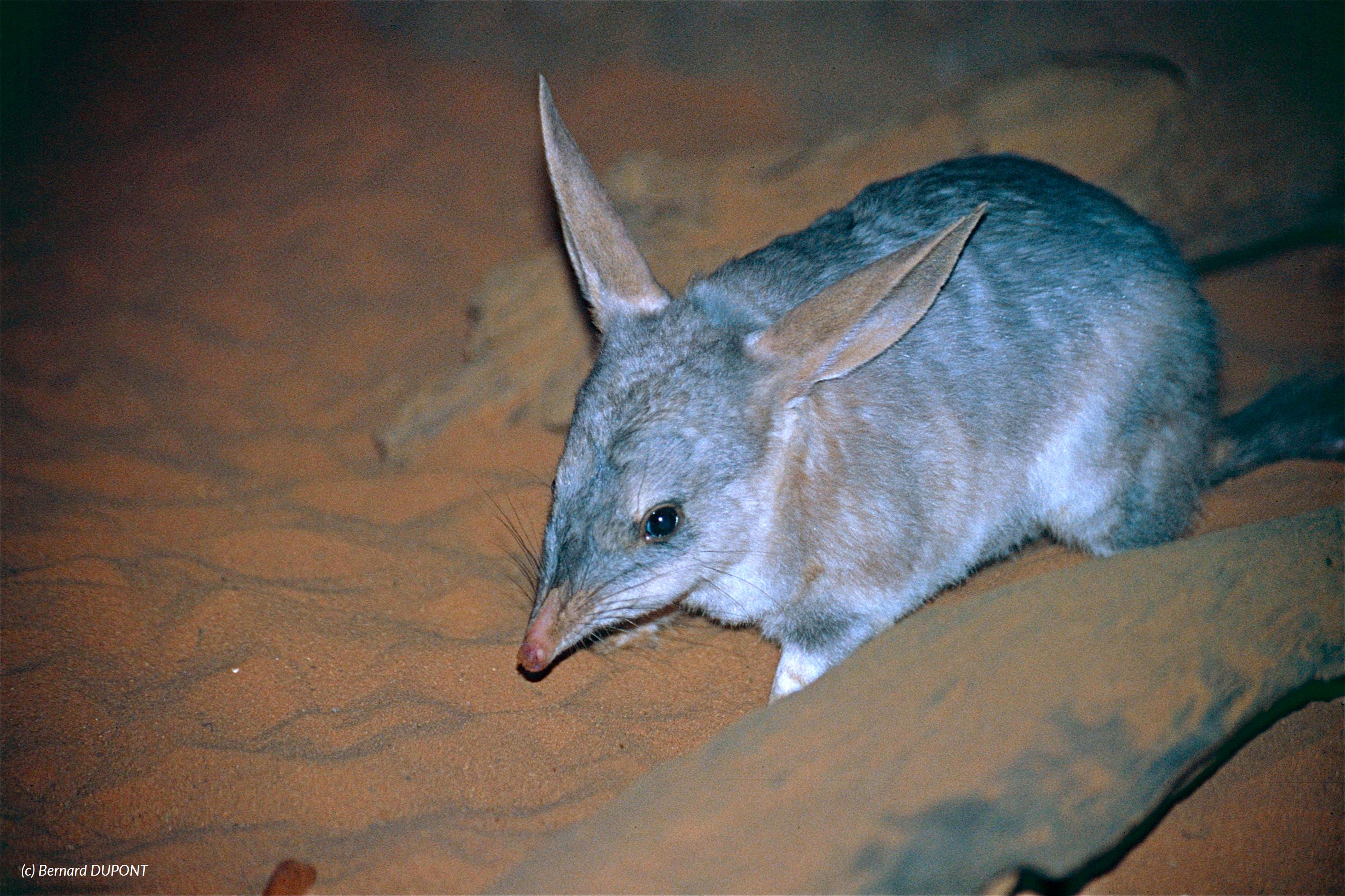
In the cool desert dusk of June 2025, a long awaited moment arrived at Currawinya National Park in southwest Queensland. For the first time ever, 150 endangered greater bilbies (Macrotis lagotis) were gently moved beyond the predator proof fence into the wild—a historic leap toward restoring a marsupial lost from this region nearly 80 years ago. These bilbies were born and raised behind that same fence—built two decades ago by the Save the Bilby Fund, in partnership with the Queensland government. Starting in 2019 with just 36 founding individuals, the enclosed sanctuary grew steadily to more than 400 healthy bilbies sheltered from foxes, cats, and habitat degradation. With breeding tapering off and space becoming limited, conservationists concluded it was time: to trust these marsupials with their own wings—and their own burrows—outside the fence. “We’ve patiently built this population over 25 years,” says Kevin Bradley, CEO of the Save the Bilby Fund. “Now, nature is signaling it’s time to expand. This release is not just symbolic—it’s essential for the bilby’s long term recovery.” The release process was painstakingly deliberate. Each bilby received a health check, microchip, and GPS tracker before leaving sanctuary grounds. Coordinators chose winter release timing to align with cooler nights and reduced predator activity. The chosen location was carefully selected—terrain with favorable soil for burrowing, known food sources, and manageable predator presence just beyond the enclosure edge. Monitoring began immediately. Field biologists now track these bilby pioneers by satellite, recording locations, survivorship, burrow construction, and social behavior. The goal: prove that bilbies—not just in captivity, but in the truly wild—can survive, thrive, and reproduce. “We want to know if these bilbies are building real lives in the outback,” explains wildlife ecologist Dr. Cassandra Arkinstall. “If the first cohort can establish naturally, the next release will be informed by those insights.” Trees might not grow overnight, but bilbies can restore ecosystems quietly and profoundly. These nocturnal diggers are Australia’s natural ecosystem engineers—their burrows disperse seeds, cycle nutrients, and aerate desert soils. Research shows a single bilby can turn over up to 20 tonnes of topsoil in a year. More importantly, releasing animals into the wild reduces genetic and spatial bottlenecks inherent in fenced populations. Queensland’s fenced sanctuary had served its purpose—but real resilience comes from adaptation to variable and unpredictable conditions across the landscape. The release was more than an ecological milestone—it was a testament to community support. When breeding slowed, the Save the Bilby Fund launched a public appeal: raise AU$150,000 by June to fund tracking gear, field staff, and veterinary care. Thanks to thousands of small donors, the target was met. This project also represents a model for deep collaboration: local indigenous rangers, wildlife agencies, nonprofit partners, and scientists worked together for decades to rebuild a fragile marsupial population. The journey is just beginning. Scientists hope these 150 bilbies will not only survive—but begin to breed outside the enclosure. Their progeny could seed new wild networks, expand the species’ range, and reduce reliance on fences. If successful, this release will serve as a proof-of-concept: that restorative conservation for vulnerable mammals can move from captive refuge to reconnection with nature. For bilbies, once occupying 70% of Australia, this could be the starting point of a larger comeback—one filled with open skies, predator awareness, and the soft scratching of burrow excavation under starry nights. How you can help: • Support bilby conservation through donations or advocacy—your contributions fund tracking, care, and future cohorts. • Learn and educate: this story reveals how species recovery depends on long-term vision, community legs, and scientific rigor. • Be part of the spark: even sharing a post can help spread attention to a species scaling steep odds toward survival. These bilbies are not time capsules anymore—they are trailblazers beyond a fence, reclaiming dusty dunes in service of their own story. Let’s witness—and champion—the next chapter of their recovery. Because in their success lies hope for many other species pushed to the edge.
Photos and Videos
Explore More
To read more about this species and 14,000 other species around the world come to our website, register and explore more courageous stories like this one.
Pick an Animal and Save It