Endangered Gangetic Dolphin Found Dead in India’s Ganga — A Stark Warning on Pollution and River Health
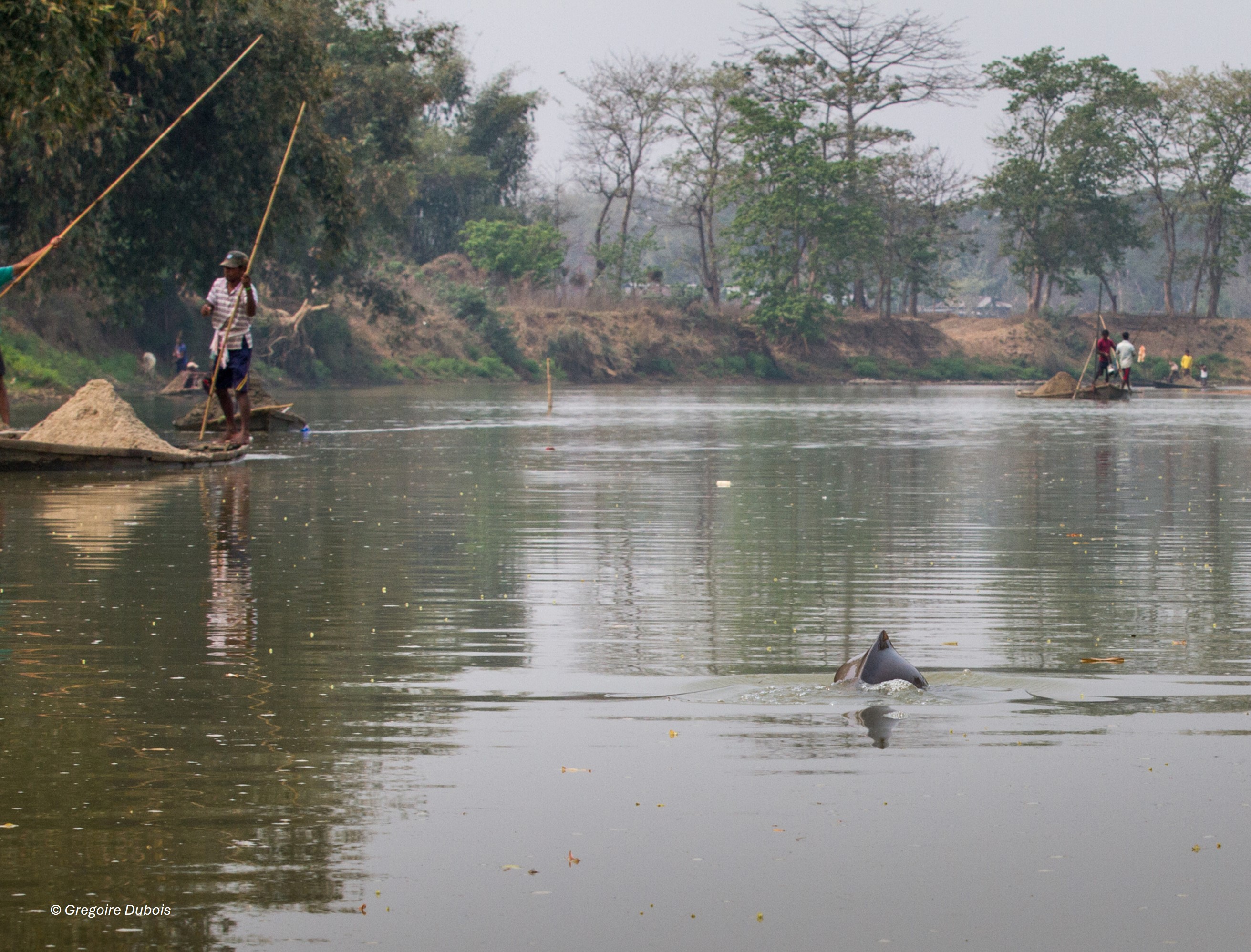
In early January 2026, authorities on the banks of the Ganga River made a distressing discovery: the carcass of an endangered Gangetic dolphin (Platanista gangetica) washed up beneath the Ganga bridge in Kanpur’s Jajmau area. The 9- to 10-foot dolphin was pulled from the murky waters with help from police, boatmen, and forest department officials, sparking concern and renewed calls for urgent action to protect this imperilled river species and its fragile freshwater habitat. The Gangetic dolphin, also known as the Ganges river dolphin and locally as “susu,” is a unique freshwater cetacean found only in the Ganga-Brahmaputra-Meghna river system of South Asia. Classified as Endangered, the species has suffered long-term population declines from a suite of human threats: from habitat fragmentation and fishing gear entanglement to pollution and reduced water flow. Forest department officials said the dolphin’s carcass appeared to be two to three days old when discovered on January 4, 2026, and it was handed over for post-mortem examination to determine the precise cause of death. Police involved in the recovery said there was no obvious evidence of hunting or entanglement in fishing nets, but residents and local conservation advocates pointed to the poor water quality in the Kanpur stretch of the Ganga as a probable factor. Kanpur’s stretches of the Ganga are frequently cited by locals for significant pollution problems. Industrial effluents, untreated sewage, agricultural runoff, and chemical waste from tanneries, factories, and urban runoff all contribute to the river’s toxic load. Although authorities temporarily closed several polluting tanneries ahead of the Magh Mela festival to reduce contamination, long-term improvements in water quality remain elusive. Scientific research corroborates the danger that pollutants pose to the Gangetic dolphin. A 2025 study published in the journal Heliyon found that these dolphins are being exposed to a hazardous cocktail of endocrine-disrupting chemicals (EDCs), including industrial phthalates, banned pesticides such as DDT, arsenic, and heavy metals, through their fish-based diet. Even low levels of such contaminants can compromise the immune system, disrupt reproduction, and impair overall health. The dolphin’s death is emblematic of broader ecological stresses in the Ganga basin. Besides pollution, factors such as reduced dry-season water flow from dams and irrigation projects, entanglement in fishing gear, vessel collisions, and habitat loss from river modification all contribute to the species’ precarious status. Conservation research has repeatedly identified stretches of the Ganga where dolphin mortalities are especially high, pointing to the need for targeted intervention along the 770 km of identified river “hotspots.” Gangetic dolphins once ranged widely across thousands of kilometers of freshwater rivers. Recent comprehensive surveys suggest there may be thousands of individuals remaining across the Ganga and Brahmaputra basins, though numbers fluctuate and data remain incomplete, underscoring the importance of continued monitoring and conservation action. Local communities and conservationists have long advocated for more proactive measures to protect the dolphins and the entire river ecosystem. These include stricter enforcement of pollution control laws, improved wastewater treatment infrastructure, regulation of destructive fishing practices, and community-based river stewardship to reduce harmful human activities. The Ganga River is not only a lifeline for millions of people but also a critical ecological corridor that supports a remarkable diversity of aquatic life. As India’s national aquatic animal, the Gangetic dolphin carries symbolic weight as a barometer of freshwater health. Its decline serves as a stark indicator that the river’s ecological integrity and the health of humans who depend on it are under threat without sustained, science-based conservation and policy reform. For many conservationists, the tragic discovery of this dolphin is a call to action. Efforts to revive and protect river habitats are underway, from species monitoring to pollution reduction campaigns. Yet the urgent need remains: without systemic improvements to water quality and river management, India risks losing one of the planet’s most remarkable freshwater mammals to the very waters it calls home. This story was made possible by the repurposing of Aircraft Galley Parts (14units), located in Mumbai, India, through Salvex.com. https://www.salvex.com/listings/listing_detail.cfm/aucid/183027073/
Photos and Videos
Explore More
To read more about this species and 14,000 other species around the world come to our website, register and explore more courageous stories like this one.
Pick an Animal and Save It