Georgia’s Gopher Tortoise Comeback: How Habitat Protection Is Reviving the State Reptile and Its Longleaf Pine Ecosystem
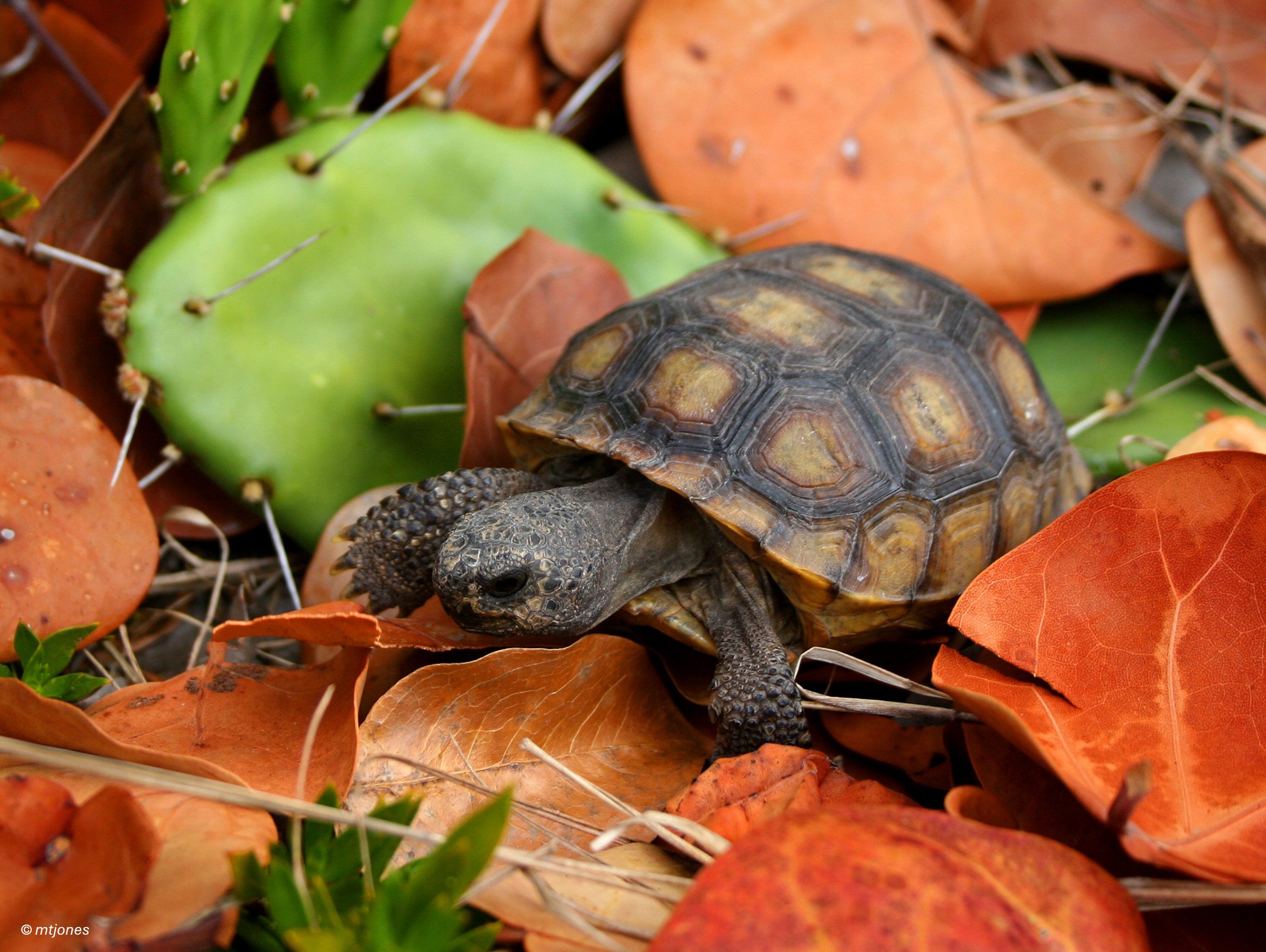
In the sandy soils of South Georgia, there’s a quiet conservation success story unfolding—one that doesn’t roar or soar but digs. The gopher tortoise (Gopherus polyphemus), Georgia’s official state reptile, was recently described as being alarmingly close to local collapse before a coordinated recovery effort began to bend the trendline back toward hope. The reason biologists care so much about this unassuming tortoise isn’t just that it’s a beloved symbol. It’s that gopher tortoises are ecosystem engineers. Their burrows, often long and deep tunnels in open pine habitats, provide shelter for a wide community of animals that use them as refuges from heat, cold, predators, and fire. When tortoises disappear, the habitat loses one of its most important “infrastructure builders,” and the ripple effects can be felt across the food web. Georgia’s rebound narrative is tightly linked to a specific, measurable conservation goal: permanently protecting 65 viable gopher tortoise populations in the state. In late September 2025, the Georgia Department of Natural Resources announced it had reached that target through the Georgia Gopher Tortoise Conservation Initiative, a partnership model involving state and federal agencies, nonprofits, funders, companies, and private landowners. The 65th site was secured through a 1,210-acre conservation easement south of Cordele, expected to conserve more than 250 tortoises and their pine habitat. That “65” matters because it’s built around the kind of practical conservation math that regulators and scientists understand: protect enough healthy populations, across enough geography, with enough long-term habitat management, and you improve the odds that the species stays viable in the wild. Georgia officials have been explicit that one motivation is keeping the tortoise from being pulled into a higher level of federal protection, while still doing the hard work of habitat conservation that makes listing unnecessary. So, what does “habitat protection” actually mean on the ground? For gopher tortoises, it usually comes down to keeping (or restoring) the open, sunny pine ecosystems they depend on, especially longleaf and other pinelands with sandy soils. That includes limiting conversion to development, reducing fragmentation, and maintaining the habitat structure tortoises need for nesting and foraging. In practice, this often involves land agreements like easements and sustained land management that keep pine landscapes from closing in and turning into dense understory. It also means acknowledging why tortoises got into trouble in the first place. Habitat loss and degradation have been longstanding pressures across the Southeast, and federal assessments emphasize that long-term viability depends on resilient populations distributed across the range, exactly what Georgia’s population-focused approach is trying to reinforce. Not everyone reads the milestone the same way. Reporting in Georgia has noted that while state leaders tout the achievement, some environmental voices argue the work is not “done”, that permanent protection on key sites is essential, but broader safeguards and longer-run habitat security will determine whether today’s gains hold up under continued development pressure. The gopher tortoise is listed as Vulnerable, reflecting the reality that even with local wins, the species’ broader status still depends on sustained habitat outcomes across its range. The hopeful part of Georgia’s story is that it’s not based on a single dramatic rescue—it’s built on patient, systems-level conservation: protecting land, aligning incentives, and managing habitat for decades, not election cycles. If Georgia’s approach continues to hold, the gopher tortoise won’t just “survive” as a state symbol—it will keep doing what it has always done best: quietly reshaping a landscape so hundreds of other species can survive alongside it. This story was made possible by a Salvex repurposing strategy. A lot of Plain End 21' SCH40 Steel Black Pipe (45,000 Feet) was available as unused surplus for structural applications by a salvage U.S. company and repurposed in Carrollton, Georgia, United States. This also created a carbon offset of 50 tCO2e. https://www.salvex.com/listings/listing_detail.cfm/aucid/183053951/
Photos and Videos
Explore More
To read more about this species and 14,000 other species around the world come to our website, register and explore more courageous stories like this one.
Pick an Animal and Save It