How Ohio’s “Snot Otters” Are Making a Comeback: 116 Endangered Hellbenders Released into Wild Streams
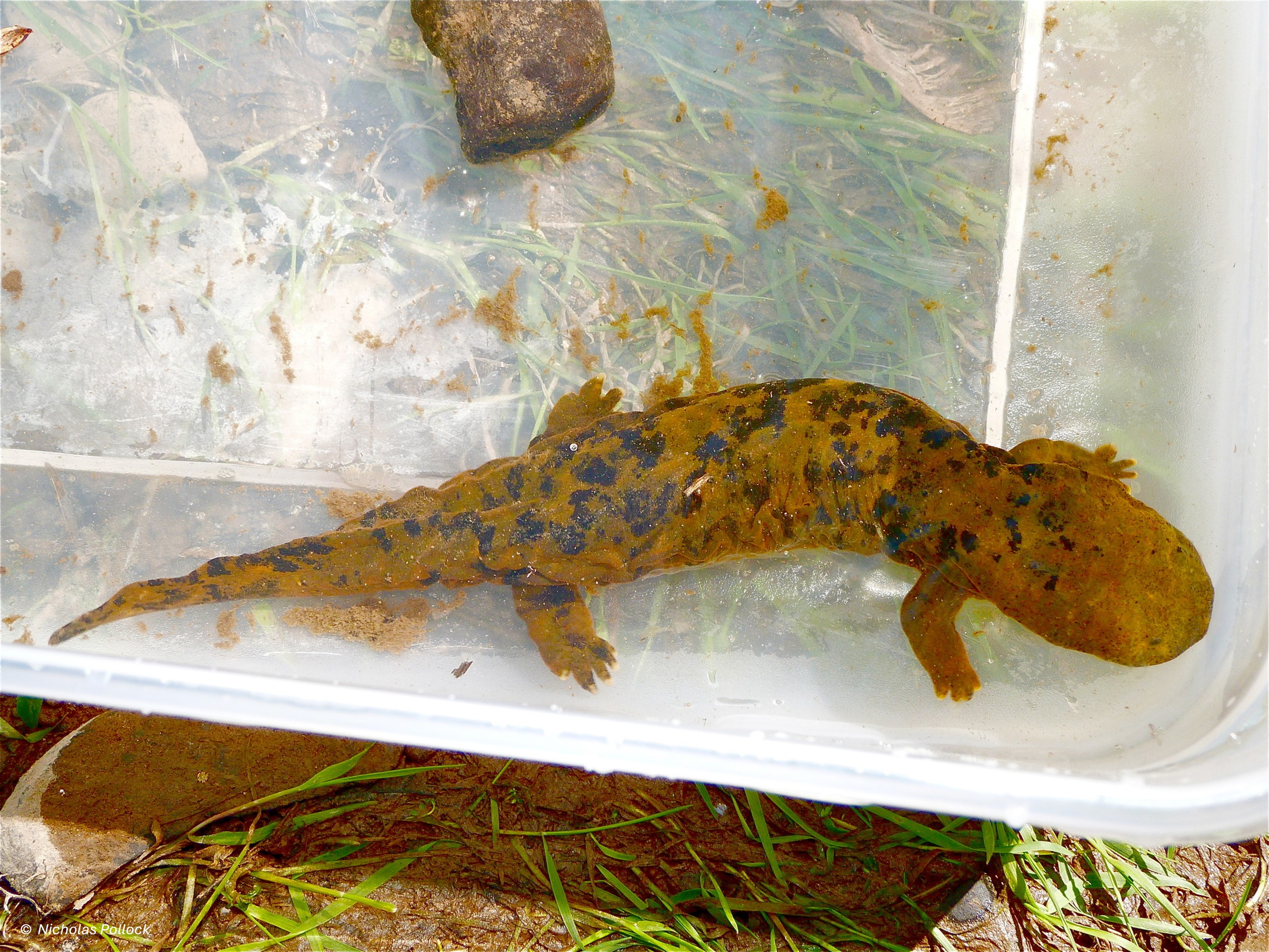
This past summer, Ohio took a major step forward in conserving one of the state’s most remarkable and misunderstood animals, the eastern hellbender (Cryptobranchus alleganiensis). Often nicknamed the “snot otter” because of its slimy protective coating, this giant salamander is North America’s largest amphibian and has been struggling for years due to habitat loss, pollution, and sedimentation. In a coordinated effort rooted in science and collaboration, 116 juvenile endangered hellbenders were released into protected waterways in eastern Ohio, underscoring a quiet but meaningful conservation success that’s gaining momentum across the region. For more than a decade, the Ohio Hellbender Partnership, a coalition that includes the Columbus Zoo and Aquarium, The Wilds, The Ohio State University, the Ohio Department of Natural Resources, and other zoo and academic partners, has been working steadily to restore hellbender populations in this state. Hellbenders need clean, cool, oxygen-rich streams with abundant hiding places beneath rocks and logs. Sadly, decades of agricultural runoff, stream sedimentation, and fragmented forest cover dramatically reduced suitable habitat, pushing local populations toward endangerment. What sets this conservation initiative apart is its head-starting approach, which gives young hellbenders a better shot at survival, especially through their most vulnerable early months. Scientists and technicians collect eggs from known wild nesting sites and transport them to controlled rearing facilities at the Columbus Zoo and The Wilds. There, these juveniles are monitored until they grow large enough to fend off many predators and diseases. Once robust, they’re tagged and released into carefully selected waterways that offer the best chance for long-term survival. This year’s release of 116 juvenile hellbenders is part of this ongoing strategy to rebuild populations that were once booming in Ohio’s streams. Since the program began in 2012, more than 2,000 hellbenders have been released back into Ohio rivers and streams, a testament to the persistence and collaboration of conservation partners. In 2023, researchers even documented wild reproduction by formerly released hellbenders for the first time, marking an important milestone in the program’s long-term recovery outlook. The 2025 release also included a broader expansion of habitat support. Conservation teams have installed and maintained more than 130 “hellbender huts”: artificial shelters designed to mimic the rocky crevices these amphibians favor for protection and egg laying. These structures have served as critical monitoring points in waterways where natural cover may be limited, especially in areas affected by sedimentation. This year alone, researchers found 19 huts inhabited, with eggs present in some, a hopeful sign that released animals are settling in and using these conservation tools to breed and shelter. “It’s quiet work that adds up,” said Greg Lipps, a conservation biologist with the Columbus Zoo and Aquarium. “One stream, one release, one more sign that clean water and wildlife can thrive together in our community.” His sentiment captures the long-term nature of conservation: success isn’t always headline-grabbing, but it builds steadily over years of science, patience, and partnership. The eastern hellbender is more than a singular species in need of help; it’s an indicator of stream ecosystem health. Because they breathe through their skin and require pristine water to survive, hellbenders serve as sentinels. Where hellbenders disappear, water quality and overall ecosystem integrity are often in decline. Their resurgence is a sign not just that a species can be brought back from the edge, but that Ohio’s waterways are improving, benefiting fish, invertebrates, and humans who rely on these freshwater resources. Community involvement plays a big role, too. Conservationists encourage landowners and residents to help protect streams by planting native vegetation to reduce runoff, keeping livestock away from watercourses, and avoiding disruption of streambed rocks and logs, all simple yet powerful steps that improve the habitats hellbenders need. Seeing these prehistoric-looking salamanders slipping back into Ohio’s streams is both a biological victory and a reminder that thoughtful conservation can work. By pairing scientific innovation with on-the-ground action and community support, Ohio is helping write a brighter future for one of its most unique native animals. And for the wrinkled, slipper-skinned eastern hellbenders, every clean stream and successful release gets them one step closer to thriving once again. This story was made possible by a Salvex repurposing strategy. A lot of 9 5/8" 47# HCP110 BTC ERW R3 (11,500 Feet / 245 Metric Tons) unused casing was available as unused surplus for structural applications by an U.S. natural gas operator company and repurposed in Marietta, Ohio, United States. This also created a carbon offset of 355.25 tCO2e. https://www.salvex.com/listings/listing_detail.cfm/aucid/183053457
Photos and Videos
Explore More
To read more about this species and 14,000 other species around the world come to our website, register and explore more courageous stories like this one.
Pick an Animal and Save It