Hurricane Melissa’s Wildlife Heroes: The Jamaicans Who Saved Endangered Species—And Exactly How To Help Them Now
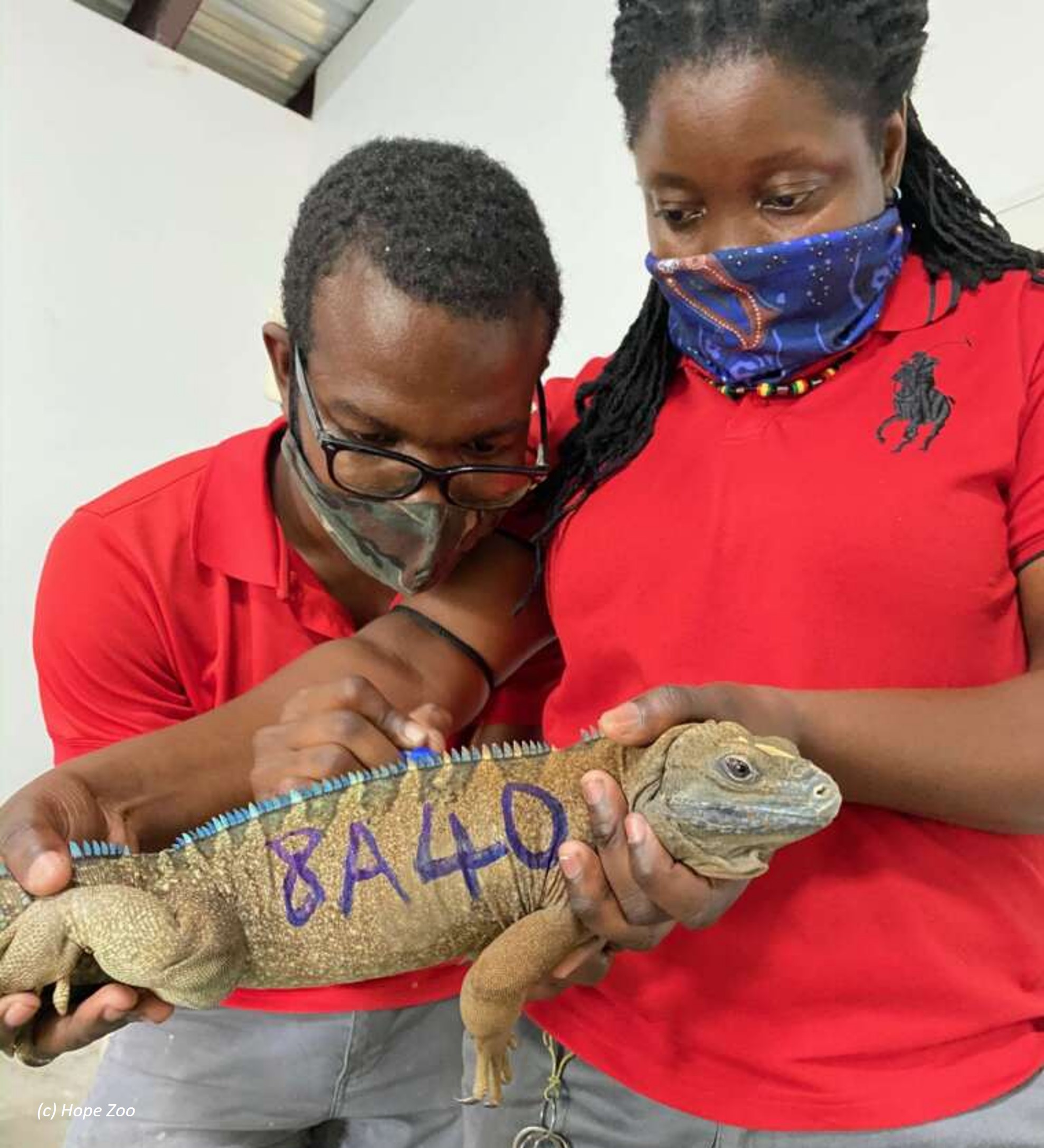
When Hurricane Melissa roared ashore on October 28, 2025, most of Jamaica went dark. In that darkness, a handful of keepers, biologists, and crocodile caretakers became the island’s quiet first responders for wildlife—improvising rescues, nursing injuries, and holding the line for species found nowhere else on Earth. At Hope Zoo Kingston, home base for the Critically Endangered Jamaican iguana head-start program, Joey Brown (general curator), Shaneek Lewis (animal care supervisor), and Dr. Szarianne Khan (veterinarian), and the rest of the team rode out a power failure after the generator went down. Staff moved hoof stock before trees fell, shored up enclosures, and even sheltered capuchin monkeys in a bathroom at the height of the winds—then confirmed that “all animals are safe and injury-free.” Their actions weren’t flashy, but they were the difference between a close call and a catastrophe for an irreplaceable breeding program. On the University of the West Indies campus, biologist Damion Laren Whyte became an ad-hoc rescue hub for storm-battered birds. “Our Antillean palm swift colony was devastated—over 60 birds lost, four freed, and more than a dozen injured or soaked,” he said as he and students dried, warmed, and released survivors. “We gently cleaned them, got them dry, and released the survivors back into the wild. Every small rescue counts.” Whyte also saluted colleagues holding the line off the coast: “A special big up to Lawrence Henriques at the Holland Bay Crocodile Sanctuary… There are so many unsung heroes like Lawrence who go above and beyond to protect Jamaica’s wildlife—rain or shine.” Down in St. Thomas, those crocodile caretakers were dealing with their own marathon. Floods and trees downed across the Holland Bay Crocodile Sanctuary perimeter meant long hours keeping big reptiles calm and contained. The work was complicated by public safety warnings: NEPA urged residents to “exercise extreme caution” near swamps, rivers, and gullies because floodwaters were pushing crocodiles into communities. That guidance—report sightings, don’t intervene—is how responders keep people safe and animals alive while they relocate displaced crocs. Help is now flowing in from abroad, with named commitments. “It is an honor for us to step up and help our friends at Hope Zoo Kingston and Holland Bay Crocodile Sanctuary who desperately need our help to recover from the devastation of Hurricane Melissa,” said Mark McHugh, President & CEO of Gatorland, as its nonprofit arm Gatorland Global launched an Emergency Relief Fund dedicated to both facilities. Savannah Boan, the group’s Vice President and International Ambassador, added: “Gatorland Global builds lasting relationships and shares vital knowledge that helps protect wildlife not only in Florida but around the world.” The fund pledges 100% of donations to enclosure repairs, animal care, and essential supplies. This is where you come in. These teams are asking for cash-first support that converts immediately into the things field crews actually run out of: diesel, pumps, fencing materials, chainsaws, tarps, veterinary consumables, feed, and paid overtime. • Hope Zoo Kingston (Jamaican iguana head-start): you can check their specific equipment needs directly on their Amazon wishlist (https://www.amazon.com/hz/wishlist/ls/27RIXYC2P6VYD?ref_=wl_share) • Holland Bay Crocodile Sanctuary: Donate via Gatorland Global’s Emergency Relief Fund to underwrite perimeter repairs, fuel, and animal care while Lawrence Henriques and colleagues keep crocodiles safe and contained (https://give-usa.keela.co/jamaica-hurricane-melissa-relief-donation) • Islandwide safety: Amplify NEPA’s crocodile advisory so relocations are left to trained responders—this protects communities and reduces stress injuries to wildlife. Melissa will be studied as the storm of the century for Jamaica. But for the people above, it’s already a chapter of hard-won saves: a bathroom turned into a primate shelter; a lab repurposed as a bird triage ward; a swamp edge patrolled by headlamp to keep crocodiles calm until waters drop. Their quotes are not slogans; they’re status updates from the only place that matters after a disaster: the ground.
Photos and Videos
Explore More
To read more about this species and 14,000 other species around the world come to our website, register and explore more courageous stories like this one.
Pick an Animal and Save It