National Bison Day: From A 2012 Grassroots Idea To Real Herds Back On Tribal Lands
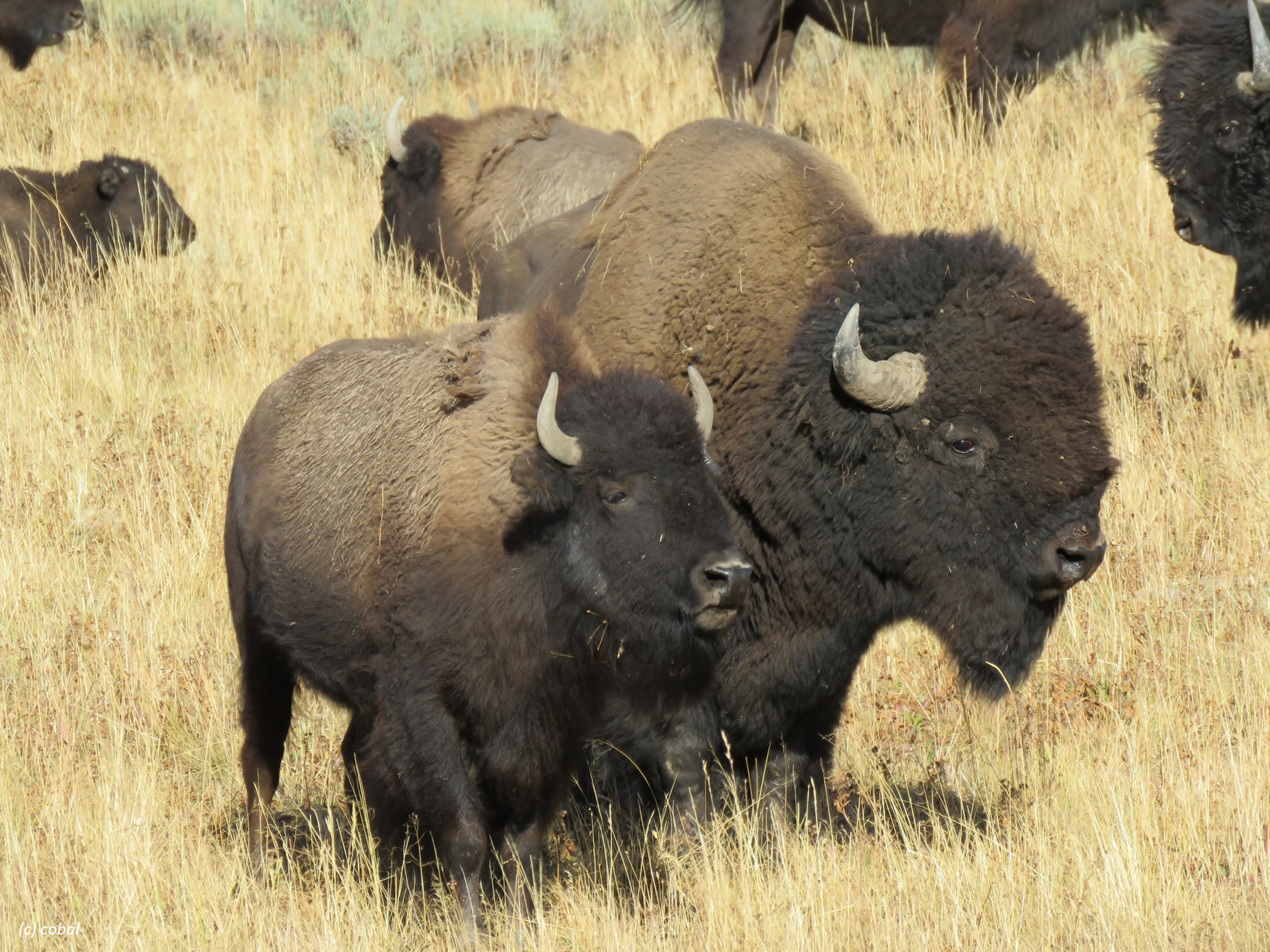
The first Saturday of November didn’t always belong to the bison. In 2012, a broad “Vote Bison” coalition of Tribal nations, ranchers, conservationists, zoos and educators launched the first National Bison Day with events across the country. A year later, the U.S. Senate formally recognized the day and set the cadence—the first Saturday in November—through a bipartisan resolution. What began as a simple invitation to celebrate an animal nearly erased from North America became an annual organizing moment with unusual reach. That drumbeat mattered. Between 2012 and 2016, National Bison Day served as the coalition’s rallying point, building public support and political will for the National Bison Legacy Act. On May 9, 2016, the Act was signed, designating the American bison as the official national mammal of the United States—a symbolic win that raised the species’ profile alongside the bald eagle and put Indigenous leadership at the center of the narrative. Why should a ceremonial day and a symbolic law matter to conservation on the ground? Because symbols, used well, unlock partnerships and money. After the bison became the national mammal, federal agencies and partners used that momentum to coordinate action, launching the Bison Conservation Initiative (2020–2030) to align genetics, health, habitat, cultural restoration, and shared stewardship across Interior agencies and beyond. The Initiative is not a press release; it’s a 10-year framework now steering how herds are grown, moved, and managed for ecological and cultural goals. One measurable result of this post-2016 surge is the return of buffalo to Tribal lands. Building on relationships spotlighted every National Bison Day—and operationalized under the Bison Conservation Initiative—partners have scaled up transfers of live bison from conservation herds to Native Nations. Since 2020, The Nature Conservancy, working with the InterTribal Buffalo Council and other Indigenous partners, has moved more than 1,800 bison from 11 preserves to Tribal herds, restoring food systems, cultural practices, and prairie processes. Other groups such as American Prairie have contributed hundreds more animals to Indigenous-led herds across the country. These are not ceremonial hand-offs; they are multi-truck, health-screened, genetics-aware translocations that turn awareness into animals on grass. The chain is clear, even if no single day “causes” a reintroduction: National Bison Day led to a broader coalition and public attention, followed by the National Bison Legacy Act (designated as the national mammal), a coordinated federal-partner framework (BCI) being scaled, and finally, Tribal-led restorations. Without the annual campaigning that began in 2012, that sequence would have been slower and smaller. Bison recovery isn’t finished. Conservation herds remain genetically and geographically fragmented. Tribal and public managers still face fencing, disease-interface, and funding constraints, and many prairie ecosystems need more room to function. National Bison Day remains the easiest on-ramp for most people to help: visit or donate to herds led by Tribal nations, back groups coordinating science-based translocations, and press for grassland protections that knit habitats together. The day is celebratory by design—but its track record shows it also moves policy and animals.
Photos and Videos
Explore More
To read more about this species and 14,000 other species around the world come to our website, register and explore more courageous stories like this one.
Pick an Animal and Save It