Nigeria Toughens Wildlife-Trafficking Penalties: Up To 10 Years In Jail, Bigger Fines, And New Asset-Seizure Powers
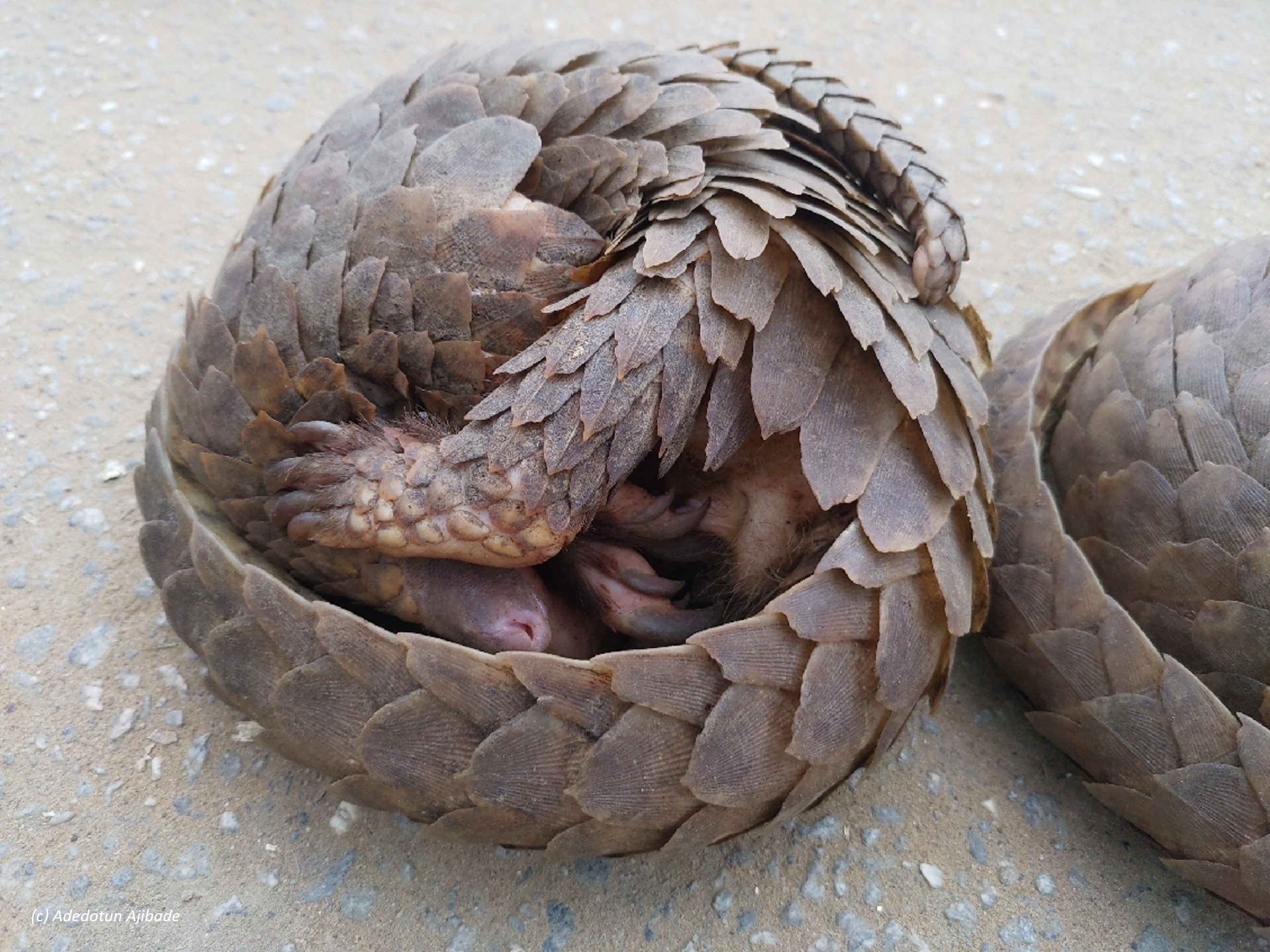
Nigeria just took a big swing at the criminal networks moving pangolin scales, ivory, live parrots and more through West Africa. In late October, the Senate approved the Endangered Species Conservation and Protection Bill, a sweeping update that raises penalties to as much as ₦12 million (around $8,200 USD) and up to 10 years in prison, and gives investigators sharper tools to follow money, seize assets, and fast-track cases. The bill—already passed by the House in May—now heads to the President for assent. Here’s the headline change: Nigeria’s old wildlife law set absurdly low maximum penalties—as little as ₦100,000 (around $68 USD) or three months in jail, which traffickers wrote off as a cost of doing business. The new bill multiplies fines and sentences and explicitly targets the infrastructure of organized crime, empowering customs and wildlife officers to search and detain aircraft and vessels, trace financial flows, and confiscate proceeds. Courts can fast-track wildlife cases and order forfeitures, closing the delay tactics that have dogged prosecutions for years. It also bans the consumption of endangered species and aligns Nigeria’s statutes with CITES and other global treaties. If you’re wondering why this matters now, let's look at the recent record. Nigeria has become a major transit hub for wildlife contraband headed to global markets, especially pangolin scales and ivory. In July, customs officials seized more than 1,600 birds at Lagos airport in one of the country’s largest live-wildlife busts, evidence that traffickers are diversifying into live shipments as well as high-value parts. Tougher penalties, asset seizure, and coordinated financial investigations are the levers most likely to reset that calculus. The new bill also responds to a practical truth: paper laws only bite when investigators can act across borders and supply chains. By explicitly authorizing intelligence-led operations and financial tracing, and by harmonizing with international agreements, Nigeria is positioning its agencies to work better with source, transit, and destination countries. That is critical in a trade where a pangolin poached in Central Africa can be trucked to a Lagos warehouse, containerized at a seaport, and laundered through shell companies before it ever hits an overseas port. Still, passing a bill doesn’t guarantee results. Three moves will decide whether this is a turning point or just a headline: 1. Stand up joint financial crime teams for wildlife cases. The bill gives customs and allied agencies the mandate to follow the money; now they need dedicated analysts and prosecutors to map networks, freeze accounts, and indict organizers—not just couriers. Quarterly public dashboards (seizures, prosecutions, asset recoveries) would build confidence and deter copycats. 2. Scale port and airport monitoring with tech and training. Invest in risk-profiling, non-intrusive inspection (scanners), and CITES ID training for inspectors, plus electronic seals and container tracking at hot-spot terminals. This is where high-value consignments can be intercepted with the least risk and the biggest evidentiary yield. 3. Pair penalties with legal pathways and community incentives. For live-bird and reptile trade especially, enforcement works best when communities see legal alternatives (licensed breeders, sustainable livelihoods) and rapid care + release for seized animals. Build capacity at national parks and rehab centers so seizures don’t turn into warehousing problems that traffickers exploit in court. What’s different about this moment is the scope. Media across Nigeria and abroad emphasized that the bill modernizes decades-old law, increases fines and prison terms, and empowers judges and investigators in ways earlier reforms didn’t—right down to the authority to search aircraft and vessels. Conservation groups are urging swift presidential assent, noting the timing ahead of a major CITES meeting in November, when countries showcase progress (or the lack of it). This is the most credible push Nigeria has made in years to curb wildlife crime. The fines and sentences finally match the scale of the problem; the asset seizure and fast-track provisions target the business model; and the customs powers close gaps at ports and airports. Suppose those provisions are paired with real budgets, public reporting, and cross-border cases that name financiers (not just drivers). In that case, Nigeria can shed its reputation as a trafficking crossroads and become the enforcement leader West Africa needs. Otherwise, the same networks will adapt, and the next press release will look uncomfortably familiar.
Photos and Videos
Explore More
To read more about this species and 14,000 other species around the world come to our website, register and explore more courageous stories like this one.
Pick an Animal and Save It