One Cyclone From Extinction: Why the Christmas Island Flying Fox Needs a Plan—Now
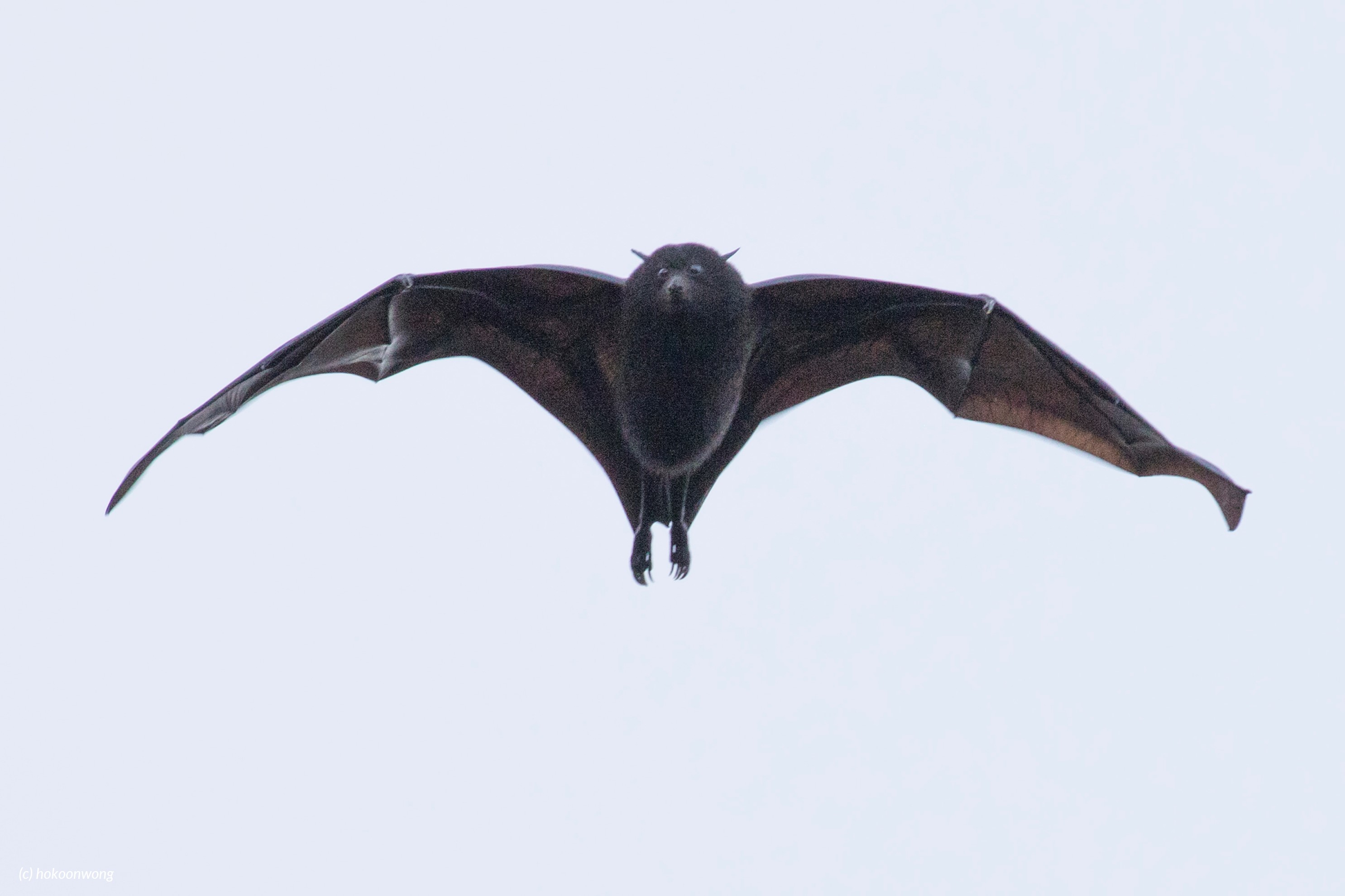
Stand beneath the tall figs on Christmas Island at dusk and you’ll hear soft wingbeats before you see them: plush-furred, teddy-bear bats sweeping out to feed. This is the Christmas Island flying fox (Pteropus melanotus natalis)—the island’s last native mammal, a keystone pollinator and seed disperser that stitches the rainforest together. Scientists warn the population is so precarious that one severe cyclone could tip it over the edge. Christmas Island once had five native mammals. Four are gone. The flying fox remains, holding together ecological roles no other animal can fill—moving pollen between distant canopy trees and carrying seeds into storm gaps where new forest takes root. That’s not just bat romance; it’s documented island ecology, and it means losing the species would reverberate through the plant community. How many bats are left depends on where you look and when you counted. Parks Australia has estimated ~2,000 individuals island-wide, down from >4,000 in the 1980s. But at key roosts, long-term counts show steep declines—from ~2,000 bats in the 1980s to ~400 today in one site cited by researchers. Both things can be true: an overall population that appears larger on paper, and local strongholds hollowed out by decades of pressure. The list is sadly familiar for island wildlife. Invasive species—notably yellow crazy ants, feral cats and rats—harass bats at roosts, take pups, and erode habitat resilience. Research on the island shows the ants disrupt normal roosting behaviour, replacing rest with stress responses; national threat-abatement plans have flagged the species as vulnerable to ant impacts for years. Add to that historical phosphate mining, disease risks, and an intensifying cyclone regime that can flatten foraging trees in a night, and you get a recipe for sudden collapse. That cyclone line isn’t hyperbole. A growing body of work finds island endemics worldwide are one big storm away from blinking out, as Dorian did to the Bahamas’ last nuthatches. The Indian Ocean islands are among the regions most repeatedly hit by severe cyclones—a bad place to be an isolated population without a safety net. Australia lists the Christmas Island flying foxs as Critically Endangered under their EPBC Act, but the formal “conservation advice” guiding management is more than a decade old, and there is no up-to-date recovery plan—a gap experts say leaves agencies and land managers without a clear, modern playbook for action. The island has lived through one high-profile bat extinction—the Christmas Island pipistrelle in 2009—so the alarm bells are not theoretical. A credible, funded plan would focus on four fronts: 1. Storm readiness: map and protect cyclone-resilient foraging/roost trees; pre-stage feed trees and water points for the dry season; and design post-cyclone rapid-response crews (tree fall clearance, supplemental plantings, pup rescue). 2. Predator & pest control that sticks: sustain cat and rat suppression; keep yellow crazy ants down through coordinated baiting; protect roosts from disturbance during breeding. 3. Modern monitoring & genetics: continue close-kin mark–recapture, health screens and telemetry led by the current research consortium to spot declines fast and safeguard genetic diversity. 4. Insurance without complacency: develop guidelines for a small assurance colony only as a last resort, paired with aggressive habitat management so captivity never becomes the default. (After the pipistrelle, everyone knows how costly “too late” can be.) If you care about coral reefs and rainforests, you already care about flying foxes—you just might not know it. On oceanic islands, they are often the long-distance pollinators and seed couriers. Lose them, and regeneration slows; forests fragment; everything from endemic pigeons to crab-littered understories changes. Saving the Christmas Island flying fox isn’t niche; it’s ecosystem insurance.
Photos and Videos
Explore More
To read more about this species and 14,000 other species around the world come to our website, register and explore more courageous stories like this one.
Pick an Animal and Save It