Operation Thunder 2025: Nearly 30,000 Animals Freed in Massive Global Fight Against Wildlife Trafficking
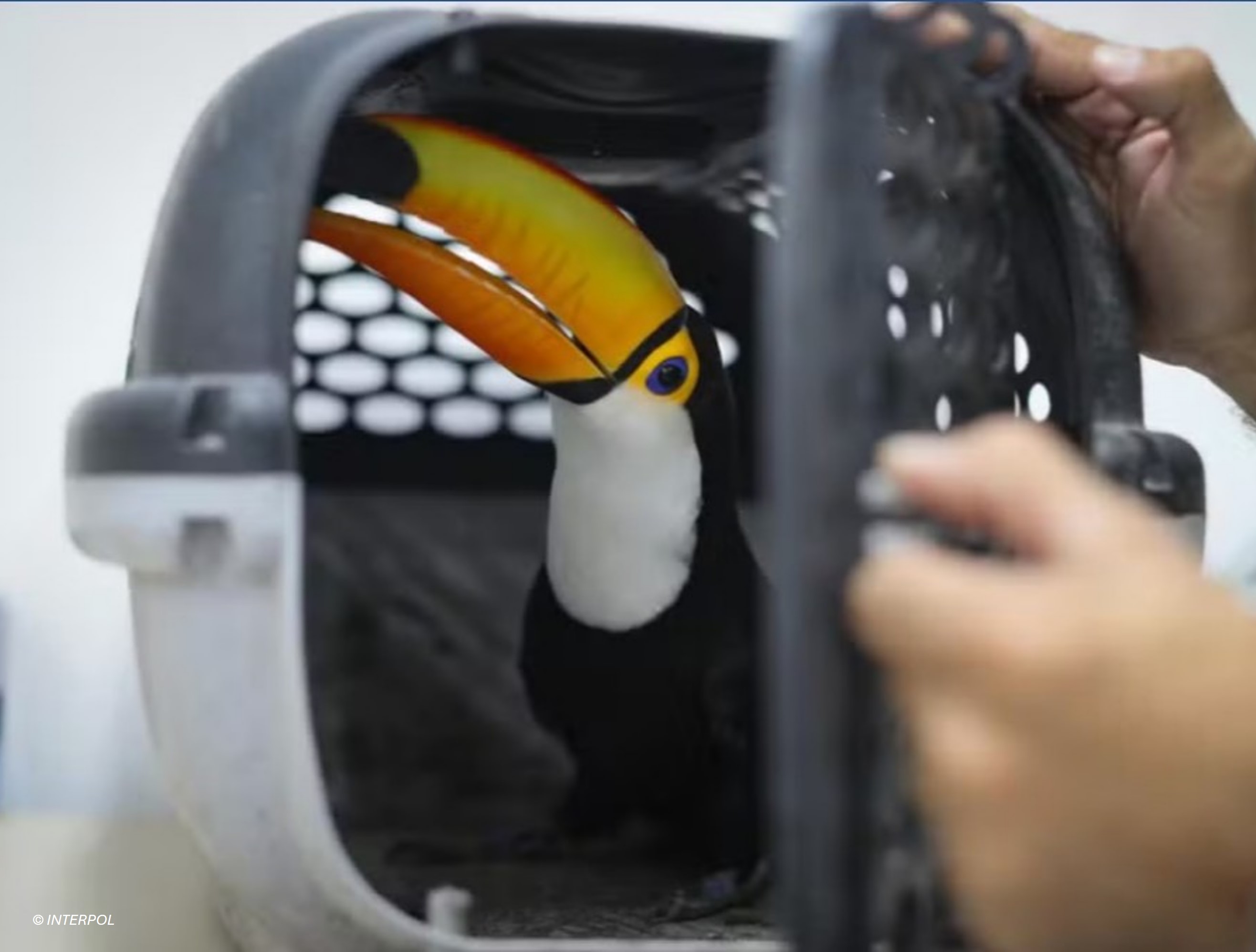
In one of the largest coordinated wildlife-crime crackdowns in history, international law-enforcement agencies rescued nearly 30,000 trafficked animals during a single, month-long operation in late 2025. The mission, known as Operation Thunder 2025, revealed both the scale of the illegal wildlife trade and the urgent need for sustained global cooperation to protect endangered species and preserve biodiversity. Operation Thunder (conducted from September 15 to October 15, 2025) brought together police, customs agents, border security, forestry, and wildlife authorities from 134 countries under the coordination of INTERPOL and the World Customs Organization (WCO), with support from the International Consortium on Combating Wildlife Crime (ICCWC). Together, these agencies carried out more than 4,600 seizures of trafficked animals, plants, and illegally logged timber, uncovering a vast, sophisticated network of criminal activity that spans continents. The magnitude of the rescue effort was staggering. Officials liberated nearly 30,000 live animals destined for the illegal wildlife trade, including birds, reptiles, primates, and even big cats, marking a record high for live animal seizures in Operation Thunder’s history. Among the animals freed were 6,160 birds, 2,040 tortoises and turtles, 1,150 reptiles, 208 primates, and 10 big cats, including endangered tigers. Hundreds of exotic arthropods, such as butterflies, spiders and insects protected under international law, were also intercepted, highlighting that trafficking threatens species of all sizes, not just the most iconic ones. The operation also targeted animal parts and derivatives, a relentless threat to endangered wildlife. Authorities confiscated over 30 tonnes of protected species derivatives (such as ivory, pangolin scales and shark fins) and 32,000 cubic metres of illegally logged timber, undermining major criminal networks profiting from illegal trade. In addition to rescuing live animals, law-enforcement teams identified approximately 1,100 suspects involved in wildlife crime, while specialized intelligence sharing helped map trafficking routes and financial flows tied to the illicit trade. INTERPOL Secretary-General Valdecy Urquiza said the operation “exposes the sophistication and scale of the criminal networks driving the illegal wildlife and forestry trade,” which increasingly intersects with other organized crimes such as drug trafficking and human exploitation. The operation also highlighted emerging and under-reported threats. For example, significant seizures of bushmeat (the meat of wild animals often trafficked illegally), including primate meat, giraffe meat, and zebra skins, were intercepted in Europe and Africa, underscoring that wildlife crime extends beyond the exotic-pet trade to practices that endanger both animals and human health. Marine wildlife trafficking also surged. Authorities seized more than 245 tons of protected marine species, including approximately 4,000 pieces of shark fins, a luxury product associated with traditional dishes and ongoing shark population declines worldwide. The impact of Operation Thunder goes beyond the immediate rescue of animals and seizures of contraband. By collecting actionable intelligence, law-enforcement agencies now have a stronger foundation for long-term investigations, enabling them to anticipate evolving criminal tactics, pursue high-level suspects, and disrupt entire trafficking supply chains. For conservationists and defenders of endangered species, the success of Operation Thunder offers both hope and a stark reminder. While rescuing tens of thousands of animals demonstrates what coordinated global action can achieve, the sheer volume of trafficked wildlife underscores the enormous and persistent threat posed by illegal trade. Many of the species involved in the seizures already face declining wild populations due to habitat loss, hunting, and exploitation. Experts stress that cracking down on illegal wildlife trafficking is essential not just for animal welfare but for global biodiversity and ecosystem health. Trafficking disrupts food webs, weakens population resilience, and undermines conservation investments aimed at restoring species at risk of extinction. Operation Thunder 2025 stands as a milestone in the fight against wildlife crime, signaling what is possible when countries work together with shared goals and information. Yet it also reveals how much more must be done: from strengthening legal frameworks and enforcement to reducing demand through public awareness and ethical consumer choices. If you care about endangered animals and the health of our planet’s ecosystems, this story is a reminder that wildlife crime is a pressing global challenge that demands attention, action, and continued cooperation.
Photos and Videos
Explore More
To read more about this species and 14,000 other species around the world come to our website, register and explore more courageous stories like this one.
Pick an Animal and Save It