Philippine Eagle Sees Captive Bred Success Amid Threats
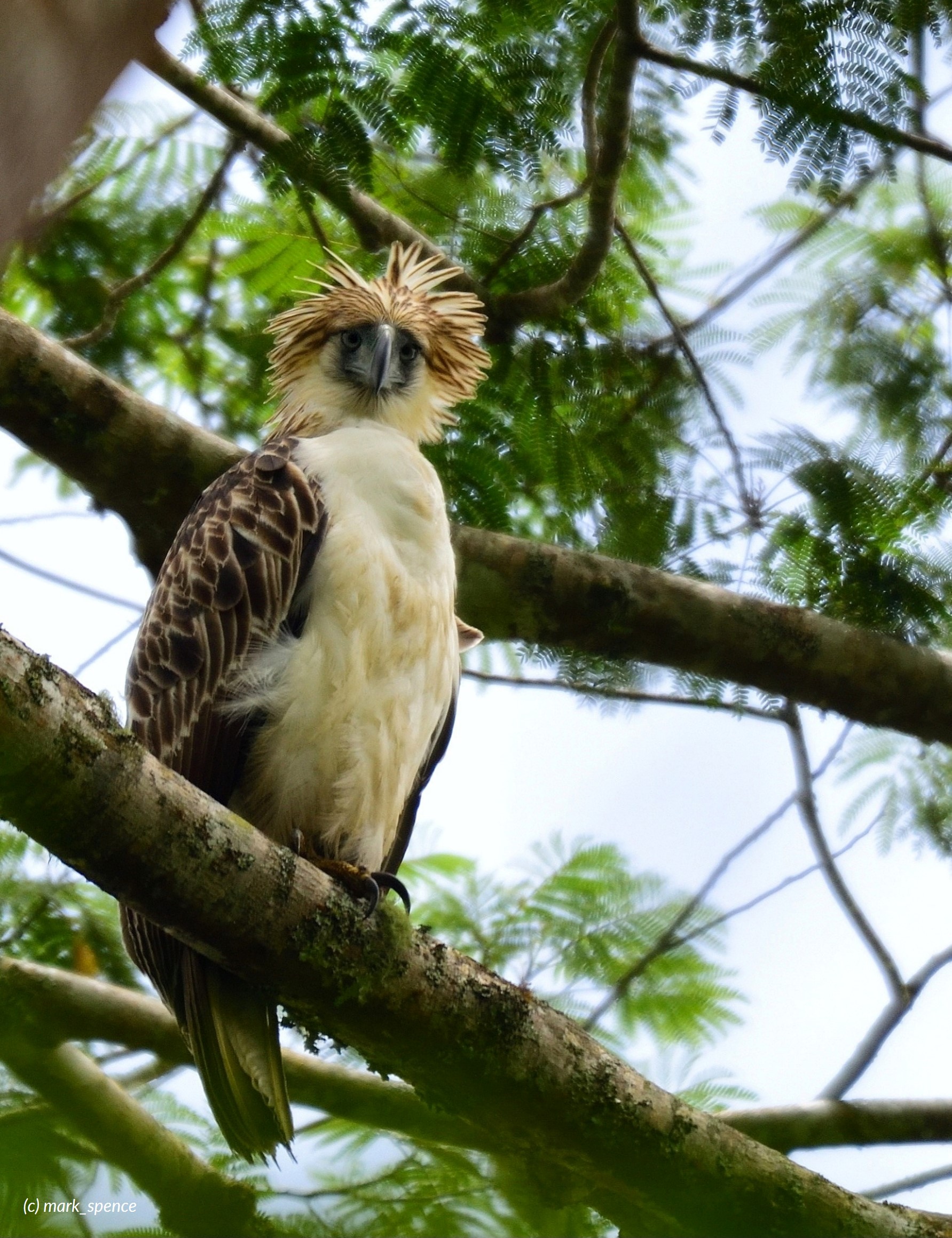
In the lush forests of Mindanao, a breakthrough is lifting spirits: at the Philippine Eagle Foundation (PEF) breeding center in Davao City, a chick named Riley, born on January 16, 2025, represents the first-ever unassisted natural hatching in nearly four decades of captivity. For a species teetering on the brink—with only around 400 breeding pairs left in the wild—this moment is nothing short of a miracle. Riley was raised by parents Dakila and Sinag, a couple paired naturally—unlike previous hatchlings resulting from artificial insemination. This marks a major evolution in captive breeding; Riley’s emergence on her own signals that birds are demonstrating wild-type reproductive behavior in captivity. Until now, every eaglet born in captivity required human assistance to break the shell. Being able to replicate natural hatching—a key developmental milestone—is a dramatic sign of progress. As PEF stated, this “groundbreaking achievement… offers renewed optimism,” and shows the parents are pairing and nesting as they would in nature. Yet the story carries heartbreak: Riley died in April 2025 at just three months old. Though the cause is still under review, the Foundation is using this loss to improve chick care, especially in health and nutrition—proof that every life counts in this rare population. The eagle’s fate also spotlights the urgent threats faced by wild counterparts—deforestation for logging and agriculture, mining, and occasional poaching. It’s a stark reminder that captive breeding alone cannot safeguard the species. Since the first captive chick, Pag asa, hatched in 1992, the Foundation has produced 31 eaglets, using both cooperative artificial insemination (AI) and natural pairing. AI has been crucial in maintaining genetic diversity, using sperm from prominent males like Sinag—whose image even graced the 1000-peso note!—to fertilize receptive females such as Dakila. Yet blending AI with natural pairings marks a new milestone. When eagles mate and hatch chicks naturally, it indicates that captivity is effectively preserving essential behaviors—preparing chicks for release one day. The PEF’s ultimate objective is to reintroduce healthy, wild-ready eagles into protected forests—a goal still pending 38 years after the program began. PEF is now focusing on developing release protocols, including pairing, nest site selection, and post-release monitoring. Natural hatching is critical—it may mean eaglets like Riley are better prepared to survive in the wild. Meanwhile, Philippine Eagle Week, celebrated across Luzon and Mindanao in June 2025, showcased educational outreach, artwork exhibits, and community support—highlighting growing public concern and engagement. Riley’s brief life marks a triumph: proof that conservation science is evolving. Natural hatching shows captivity no longer suppresses wild behavior. It brings us one step closer to confident, wild-capable eaglets and, eventually, a self-sustaining wild population. Yet her loss reminds us of what's at stake. Each bird—every behavior—is an irreplaceable thread in an intricate ecosystem. We’ve opened one door; now we must unlock the rest. Let’s share Riley’s story: a symbol of hope and a call to action for the Philippines’ majestic national treasure.
Photos and Videos
Explore More
To read more about this species and 14,000 other species around the world come to our website, register and explore more courageous stories like this one.
Pick an Animal and Save It