Rwanda’s Wetlands Are Bringing Back the Gray Crowned Crane — A Conservation Success Story
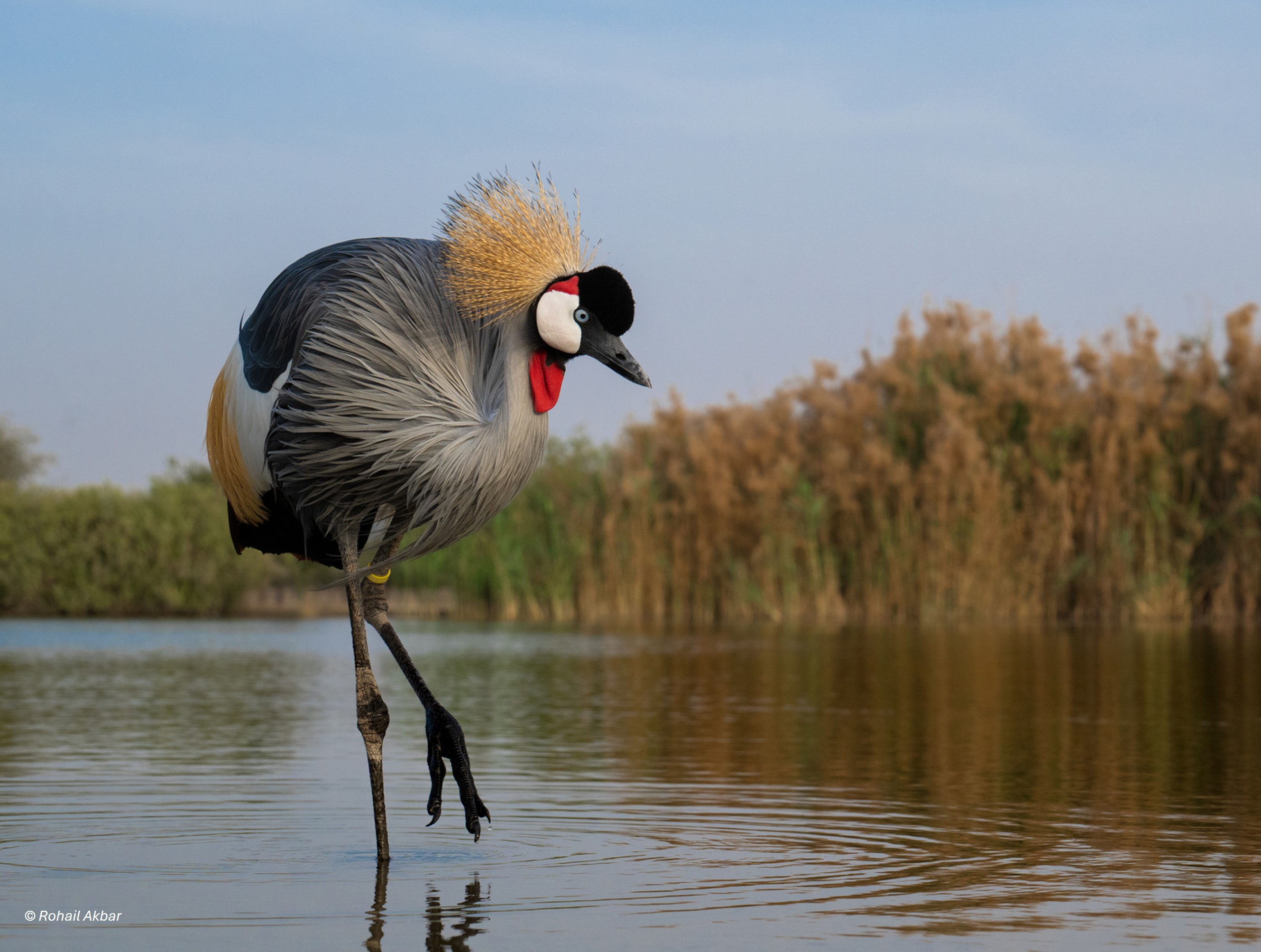
Across the lush wetlands of Rwanda, a remarkable conservation comeback is unfolding. The gray crowned crane (Balearica regulorum), a striking bird crowned with golden feathers and long legs, once faced a serious decline across East Africa. But in Rwanda, coordinated conservation efforts are helping this endangered species recover, proving that community-driven wildlife protection can work. Just a decade ago, spotting a gray crowned crane in Rwanda had become increasingly rare. These elegant birds, famous for their elaborate courtship dances and distinctive golden “crown,” were disappearing from the country’s wetlands due to habitat loss and illegal capture for the pet trade. By 2017, fewer than 500 cranes remained in the wild in Rwanda, and conservationists feared the species might vanish locally. Today, however, the story is changing, thanks largely to a conservation initiative led by Rwandan veterinarian Dr. Olivier Nsengimana and the Rwanda Wildlife Conservation Association (RWCA). Founded in 2015, the organization launched a nationwide campaign to rescue cranes from captivity, restore wetland habitats, and engage local communities in protecting the birds. One of the most innovative aspects of the program has been its focus on collaboration rather than punishment. In the past, gray crowned cranes were often kept as status symbols in private gardens, hotels, and businesses. Instead of prosecuting owners, conservationists introduced an amnesty program encouraging people to voluntarily surrender illegally kept cranes. The approach proved surprisingly effective, leading to the rescue and rehabilitation of hundreds of birds that could eventually be released back into the wild. Many rescued cranes now pass through Umusambi Village, a restored wetland sanctuary near Rwanda’s capital, Kigali. The sanctuary provides a safe habitat where injured or permanently captive birds can recover and live in natural surroundings. Some individuals are eventually reintroduced to protected areas like Akagera National Park, helping rebuild wild populations. Protecting cranes also means protecting wetlands, ecosystems that support countless species and provide vital environmental services. Rwanda’s marshes, including the Rugezi Marsh, serve as key breeding grounds for gray crowned cranes and other wildlife. Conservation efforts in these areas involve monitoring wetlands, restoring degraded habitats, and working with local farmers to reduce disturbance to nesting sites. The results have been remarkable. Since RWCA began its work, Rwanda’s crane population has grown from roughly 300 birds to more than 1,200, representing one of the fastest recoveries for the species in the region. Wetland protection and community stewardship have also strengthened ecosystems that support other wildlife, fish, and waterbirds. In some areas, the recovery is especially visible. At Rugezi Marsh, home to about a quarter of Rwanda’s gray crowned cranes, surveys show consistent population growth, highlighting the effectiveness of long-term habitat protection and local engagement. For Dr. Nsengimana and his team, the mission goes beyond saving a single species. The gray crowned crane has become a symbol of Rwanda’s broader conservation movement, demonstrating how people and wildlife can coexist when communities are actively involved in protecting nature. Recognition of these efforts has spread internationally. In 2025, Nsengimana received the prestigious Whitley Gold Award, honoring his leadership in restoring crane populations and expanding wetland conservation initiatives across East Africa. Despite the encouraging progress, conservationists emphasize that the work is far from over. Wetlands remain under pressure from agriculture, urban expansion, and climate change. Continued investment in habitat protection and community awareness will be essential to ensure that gray crowned cranes remain a thriving part of Rwanda’s landscapes. Still, the comeback of these birds offers a hopeful message. Not long ago, gray crowned cranes in Rwanda were closer to disappearing than thriving. Today, they rise again above the country’s marshes, a powerful reminder that when communities unite behind conservation, even endangered species can return from the brink. This story was made possible by a Salvex repurposing strategy. A Trent 7000 engine stand was no longer needed and was available as unused surplus by a Rwandan aviation company and repurposed in Kigali, Rwanda. This also created a carbon offset of 16.1 tCO2e. https://www.salvex.com/listings/listing_detail.cfm/aucid/183045751
Photos and Videos

Explore More
To read more about this species and 14,000 other species around the world come to our website, register and explore more courageous stories like this one.
Pick an Animal and Save It