Spix’s Macaw Reintroduction Faces Virus Setback—What Happened And How Brazil Can Keep The Comeback On Track
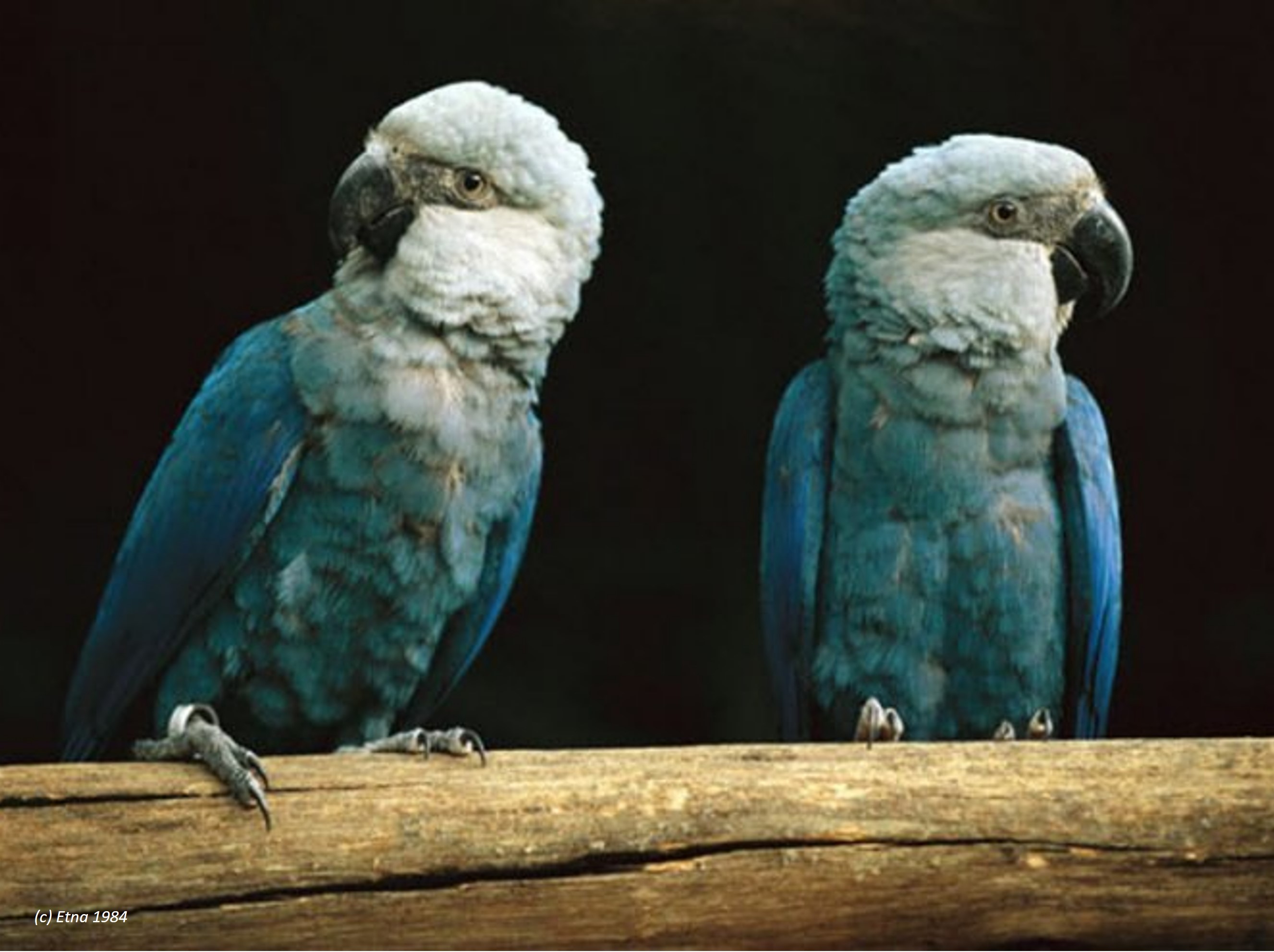
The world’s bluest comeback story just hit a rough patch. In late October, Brazilian authorities confirmed that seven Spix’s macaws involved in the Bahia reintroduction program tested positive for psittacine circovirus—the pathogen behind beak-and-feather disease. The cases include one wild-hatched chick and several birds being readied for release, prompting an official sanitary emergency and urgent testing of both captive and free-flying macaws around Curaçá in the Caatinga. For context, the Spix’s macaw (Cyanopsitta spixii) was declared Extinct in the Wild after the last known wild individual vanished in 2000. Decades of captive breeding finally led to the first releases in 2022, with more birds transferred to Brazil in January 2025 to bolster the founding flock. The species remains formally listed as Extinct in the Wild until a self-sustaining, breeding population exists without daily support. The virus news is worrying for three reasons. First, circovirus is highly contagious among parrots and can cause feather loss, beak deformities, and immune suppression—bad enough in captivity, potentially devastating in a tiny reintroduced population. Second, preliminary field notes describe feather abnormalities among some free-flying birds, now being investigated by federal vets. Third, the outbreak has reignited tensions between Brazil’s conservation agency ICMBio and the non-government partners managing birds on the ground, complicating a project that depends on tight biosafety coordination. What we know so far from official documents and on-the-ground reporting: on May 12, 2025, the Curaçá breeding center notified authorities of seven positives (the wild chick plus six pre-release birds). ICMBio’s wildlife disease unit declared an emergency, inspected the facility in June and August, and, after a court green-light, moved to capture and test free-living macaws and other local psittacines to see how far the virus has spread. Results from a broad round of sampling (92 Spix’s, plus other parrots) were pending publication at the time of reporting. The partners also disagree about how the virus arrived. An ICMBio report noted a weak positive for circovirus in one bird at a European facility in January 2025 before that cohort (41 birds) was flown to Brazil; subsequent retests were negative, and the organization that managed those birds disputed that they could have seeded the outbreak. Either way, Brazil’s stance is simple: in the face of a novel detection in the Caatinga, assume risk and proceed with maximum caution. Does this undo years of progress? Not necessarily, but it raises the stakes. Population models published last year warned that the rewilding effort hinges on steady annual releases to overcome early mortality and build a genetically robust, free-breeding flock. A disease pause risks losing momentum and precious breeding seasons. Managing the sanitary crisis swiftly—without halting the broader program—is the needle that needs threading. Three immediate steps can steady the project: 1. Gold-standard biosafety, audited. Separate cohorts by risk, expand footbaths/PPE protocols, and require licensed veterinary oversight for invasive procedures. Independent audits and transparent corrective actions will rebuild trust across agencies and the public. 2. Test, trace, isolate—then resume releases. Complete the ring-testing of wild and captive birds, isolate positives, and publish anonymized summaries (Ct values, sample types, timelines). When transmission chains are contained, restart small, frequent releases to maintain demographic targets. 3. One plan, one voice. Reaffirm a single, science-led incident command between ICMBio and project partners, with pre-agreed triggers for quarantine, field captures, and re-openings. Crisis management only works if people stop learning about decisions on social media first. Why this story still deserves your hope: even with the setback, wild-hatched chicks in the Caatinga prove that reintroduction can work here—and that local communities are living alongside free-flying Spix’s again. The job now is to keep those gains from unraveling and ensure a virus episode doesn’t become an existential detour. The official Brazilian note frames it correctly: when little is known about consequences in a fragile wild setting, prudence is policy.
Photos and Videos
Explore More
To read more about this species and 14,000 other species around the world come to our website, register and explore more courageous stories like this one.
Pick an Animal and Save It