Texas Sea Turtle Nesting Breaks Records in 2025 — A Major Win for the Critically Endangered Kemp’s Ridley
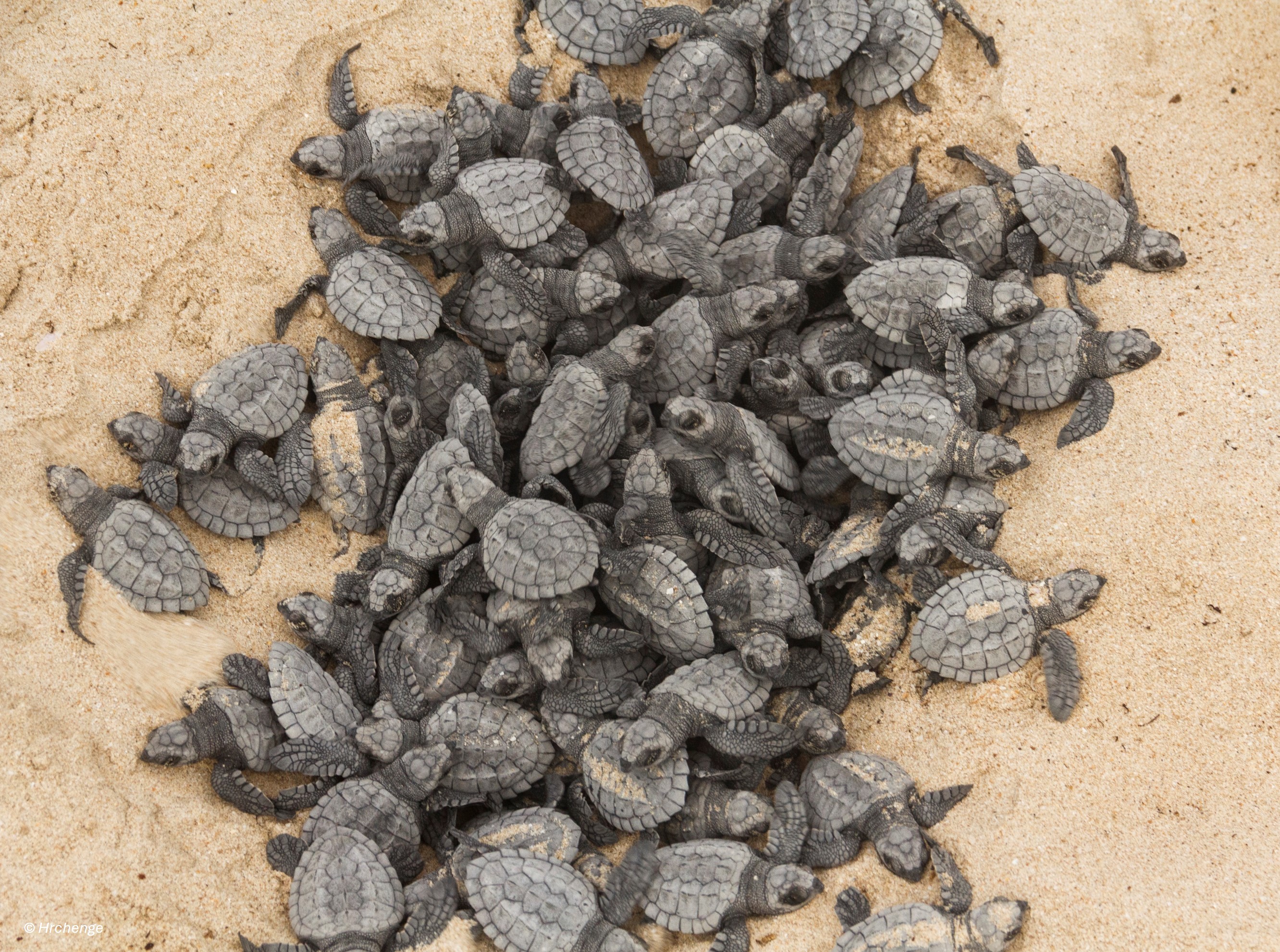
Last year, a remarkable milestone took shape along the Texas Gulf Coast: The Kemp’s ridley sea turtle (Lepidochelys kempii), one of the world’s most endangered marine reptiles, has achieved a record-breaking nesting season in Texas, a hopeful development for a species once teetering on the brink of extinction. Traditionally, the Kemp’s ridley’s primary nesting grounds are in Mexico, but for decades Texas’s beaches (especially Padre Island National Seashore) have served as a crucial secondary nesting habitat. In 2025, biologists documented 449 Kemp’s ridley nests along the Texas coast, surpassing the previous state high and creating new cause for celebration among conservationists, volunteers, and coastal communities. The Kemp’s ridley is not only the smallest sea turtle species, growing to about two feet long, it’s also one of the most endangered in the world. Their dramatic decline began in the mid-20th century when bustling nesting sites were discovered, and eggs were harvested in alarming numbers. By the 1980s, worldwide nesting dwindled to just a few hundred, prompting bi-national conservation efforts between the United States and Mexico. Today, increased nest counts like those of 2025 reflect decades of sustained protective measures, a testament to what determined collaboration can achieve. Texas has played a key role in that collaborative story. The Kemp’s ridley nesting season typically begins in spring and runs through summer, and every nest represents a female turtle’s return to shore to dig, lay her clutch of eggs, and return to the Gulf. Over the past few decades, conservation teams from the National Park Service, U.S. Fish and Wildlife Service, local nonprofits, and dedicated volunteer networks, have worked tirelessly to monitor nests, protect them from disturbance, and ensure hatchlings make it safely to the water. What made the 2025 season especially remarkable wasn’t just that more nests were recorded, it was how consistent and widespread the nesting activity was. Nearly every stretch of Gulf beach from Galveston down to South Padre Island saw turtle activity, with Padre Island National Seashore emerging as an epicenter of success. Even with challenges such as rough weather and logistical hurdles during beach patrols, researchers and volunteers pressed on, documenting nest after nest. The human response has been as inspiring as the turtles’ resilience. Local communities have rallied around this conservation success, with dozens of hatchling release events drawing families, children, and wildlife enthusiasts eager to witness the tiny turtles’ first journey into the Gulf of Mexico. These public gatherings aren’t just heartwarming; they’re powerful reminders that wild species need both scientific protection and public support to thrive. Experts say the increase in nest numbers likely reflects several positive trends. Decades of environmental regulations, like mandatory use of Turtle Excluder Devices (TEDs) in shrimp trawl nets, have reduced unintentional capture in fishing gear. Community-led beach patrols and light-reduction efforts help create safer nesting habitats. And as protected females return every two to four years to nesting beaches, the population’s long-term growth becomes more visible. Still, conservationists caution that this record year doesn’t mean the Kemp’s ridley is out of danger. The species remains Critically Endangered, meaning it still faces a high risk of extinction without ongoing protective efforts. Climate change, coastal development, marine pollution, and habitat disturbance all continue to threaten sea turtle survival. But with the 2025 nesting season already rewritten in the record books, Texas’s role in saving the Kemp’s ridley has never been more significant. This year’s nesting success reinforces a powerful truth: when wildlife science, public engagement, and long-term policy commitment align, progress for endangered species is possible. For Texans and wildlife lovers everywhere, the sight of hundreds of Kemp’s ridley nests dotting the shoreline and tiny hatchlings sprinting toward the sea is more than just good news. It’s a reminder that recovery is possible, and that our beaches, ecosystems, and future generations are better off when we safeguard the natural world with purpose and passion. This story was made possible by a Salvex repurposing strategy. A lot of Hot Rolled Steel Plates 1" x 96" x 240" (13,068 Lbs) presented cracks and were rejected and sold to recover funds and storage space by a Swiss steel trading company and repurposed in Houston, Texas. This also created a carbon offset of 15 tCO2e. https://www.salvex.com/listings/listing_detail.cfm/aucid/183058119
Photos and Videos
Explore More
To read more about this species and 14,000 other species around the world come to our website, register and explore more courageous stories like this one.
Pick an Animal and Save It