Vantara: India’s Mega-Zoo Under Scrutiny
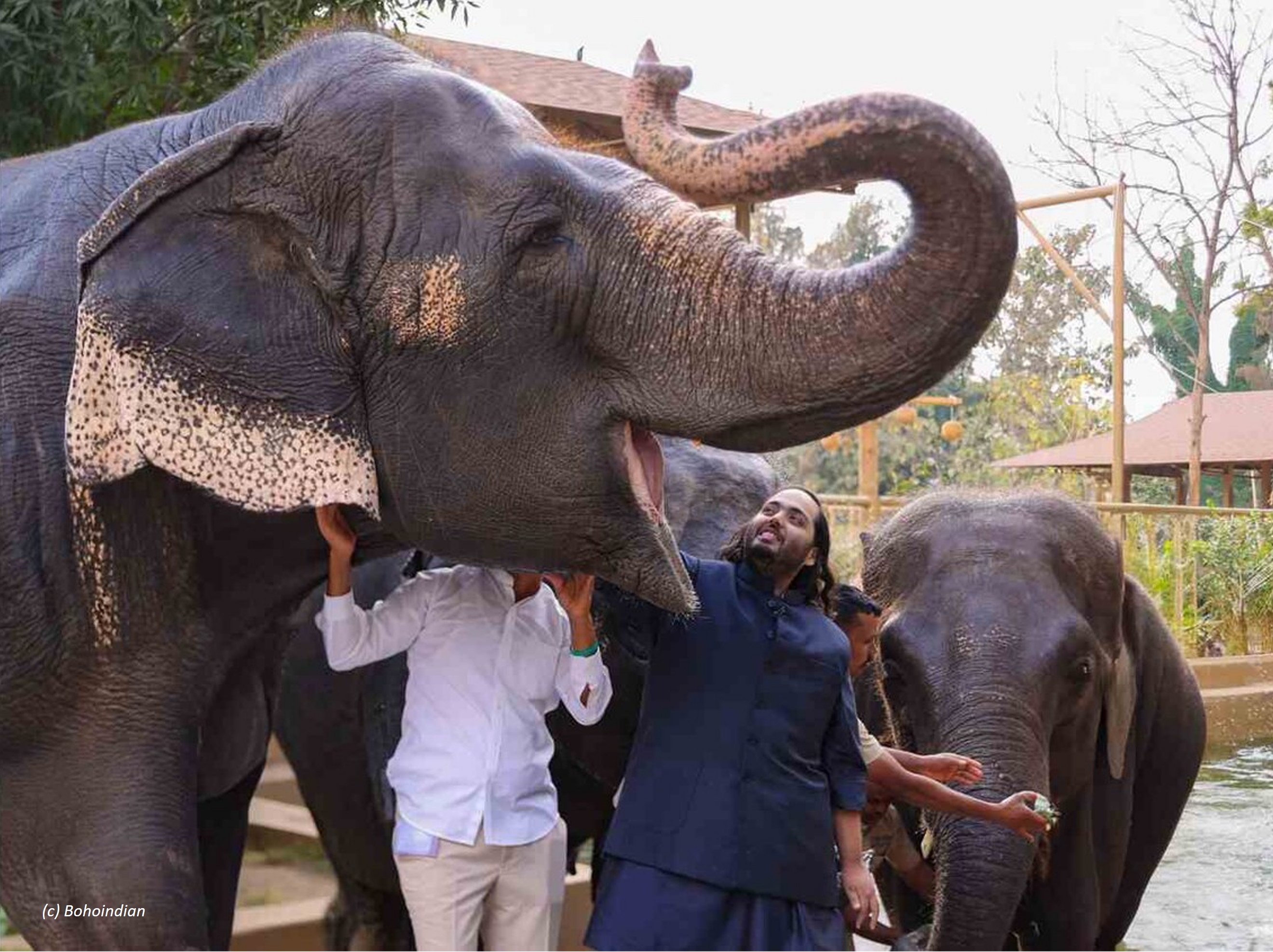
In western Gujarat, India, a massive private wildlife facility named Vantara, founded by the family of billionaire Mukesh Ambani, has stirred up a global storm in conservation circles. Launched in early 2024 and officially inaugurated in March 2025, Vantara spans some 3,500 acres near Jamnagar and reportedly houses more than 150,000 animals across over 2,000 species. The ambition sounds grand: a state-of-the-art “rescue and rehabilitation” centre for animals from around the world, including many endangered species. But many expert conservationists, wildlife-trade watchdogs, and wildlife-law observers warn that Vantara may be doing more harm than good, effectively acting as a private mega-zoo under a conservation veneer. From the start, Vantara attracted suspicion. In mid-2025, a coalition of South-African wildlife groups and international NGOs flagged concerns that the facility had been importing animals from multiple continents, including Africa, South America, and Southeast Asia, under dubious circumstances, potentially violating the international treaty on trade in endangered species, CITES. Soon after, India’s highest court, the Supreme Court of India, ordered a formal investigation and set up a Special Investigation Team (SIT) to examine allegations of illegal animal acquisition, wildlife-law violations, financial irregularities, and questions about whether the arid Gujarat location is suitable for so many exotic animals. But in September 2025, after extensive inspections, the SIT concluded there was no legal wrongdoing, and the Supreme Court accepted the findings, closing all pending petitions against Vantara. That seemed like a victory until late 2025, when the CITES Secretariat publicly released a report contradicting that verdict. The report flagged “significant and unresolved irregularities” in the animal import data, especially concerning species listed under Appendix I (the world’s most threatened). It warned that Vantara could be operating in a way that incentivizes illegal wildlife trade rather than preventing it. Species allegedly transferred to Vantara include threatened big cats, primates such as great apes, reptiles, and birds, a number far larger than typical zoological parks or rescue centers. Observers estimate thousands have been brought in from countries like South Africa, the Democratic Republic of Congo, Venezuela, and other nations often linked with risky wildlife trade. Environmentalists argue that importing such a huge variety and number of endangered animals into a single, privately managed, closed-door facility is dangerous for global conservation efforts. Instead of aiding rescue and rehabilitation, it may create a demand that fuels capture and trafficking in the wild. As one trafficking-watch expert reportedly said: “I have over 25 years investigating illegal wildlife trade… I have never seen anything near the scale of Vantara.” The controversy reached an international turning point in November 2025, when the global community, through the CITES committee, debated an official restriction on endangered-animal imports to India. In a surprise move, the committee withdrew the proposed ban after countries including the U.S., Japan, Brazil, and India argued the evidence was “premature.” The decision stirred outrage among conservationists who consider the move a setback for wildlife protection. Critics warn that the lack of restrictions and continuing imports risk converting Vantara from a “rescue center” into one of the largest private wildlife collections in the world, undermining fragile laws meant to safeguard species already pushed to the brink. As one report put it: under the guise of rescue and rehabilitation, “nature is being commodified.” Supporters of Vantara argue the facility has been cleared by India’s top court and operates under legal permits. The administration says the center provides high-quality care and shelter for rescued animals, building infrastructure that few public agencies in India could match. Either way, Vantara’s saga raises urgent questions: Is a privately-run mega-zoo-rescue with tens of thousands of animals a valid model for wildlife conservation? Or is it a loophole for large-scale, cross-border wildlife trade that undermines efforts to protect endangered species worldwide? And as nations sign global agreements like CITES, how do we ensure imported animals don’t come from sources fueling extinction? For global conservation, and for endangered animals already hanging by a thread, this isn’t just corporate drama. It could be a turning point that defines whether the laws protecting vulnerable species remain meaningful or become symbolic. If you care about wildlife, global biodiversity, or ethical conservation, Vantara deserves your attention. What happens in Gujarat could ripple around the world, determining whether endangered species remain safe or become commodities behind closed gates.
Photos and Videos
Explore More
To read more about this species and 14,000 other species around the world come to our website, register and explore more courageous stories like this one.
Pick an Animal and Save It