Why Asia’s Exotic ‘Animal Cafés’ Are Raising Serious Conservation Alarms — And What You Should Know
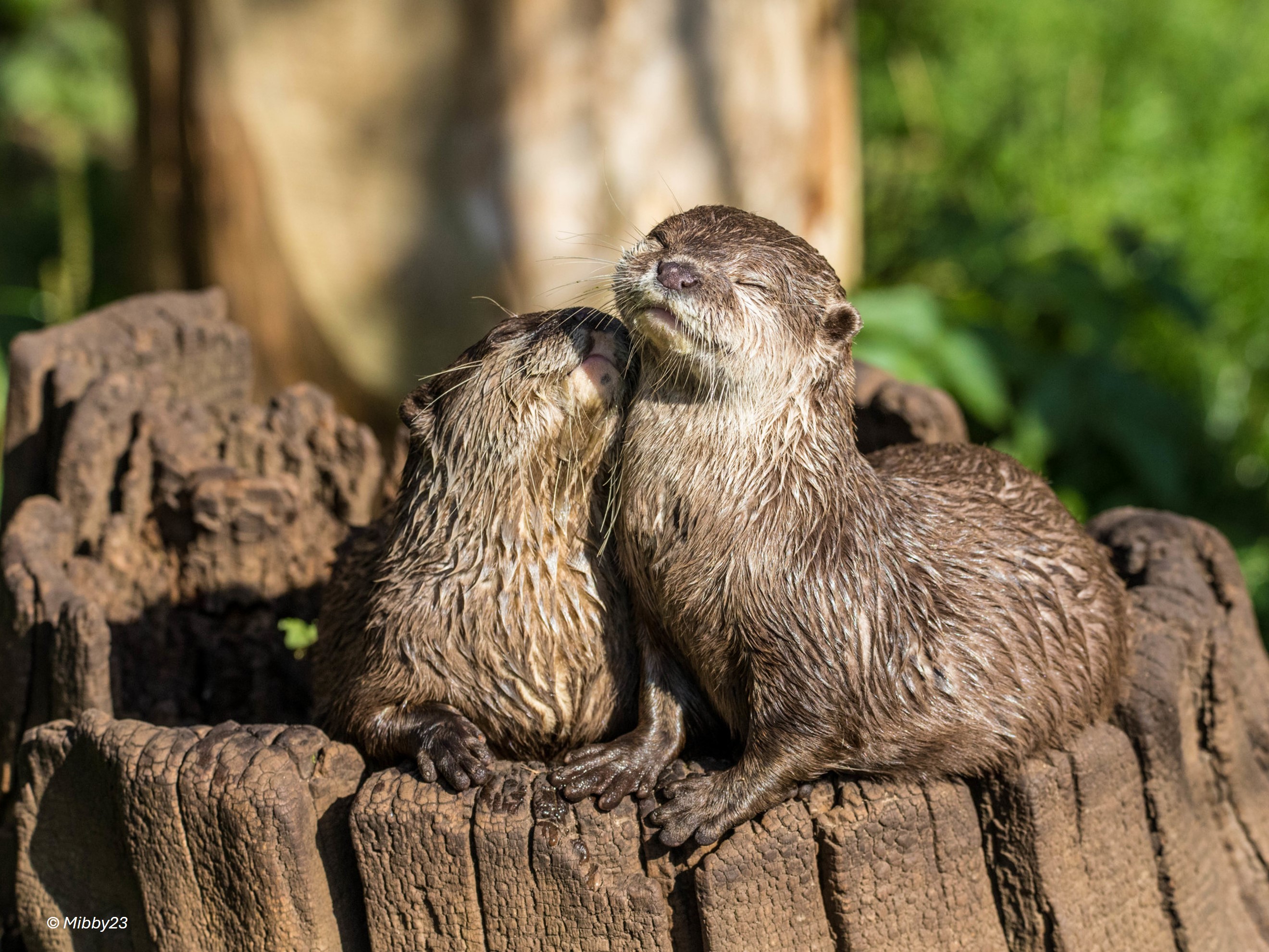
Sprawled across city skylines from Bangkok to Tokyo and Ho Chi Minh City to Guangzhou, a rising trend is capturing the attention of pet lovers and social media scrollers: exotic “animal cafés.” Inside, visitors pay for moments of contact with capybaras, otters, meerkats, bamboo rats and other “cute” wild animals. But behind the selfies and bills lies a troubling reality for global wildlife conservation, one that risks feeding demand for wild-caught animals, fueling trafficking networks, and imperiling threatened species. A recent exposé highlights how animal cafés, once viewed as quirky or harmless, are now under sharp scrutiny. Experts warn that many of the animals showcased in these venues are not responsibly captive-bred but trafficked from the wild or smuggled through illicit trade networks. The glamour of social-media virality masks a darker trade: “The amount of diversity and the number of animals — and, in particular, quite a few threatened animals — is very concerning,” says conservation biologist Timothy Bonebrake. One of the species most alarmingly affected is the Asian small clawed otter (Aonyx cinereus), listed as Vulnerable. A 2025 genetic-DNA study traced otters found in Japanese cafés back to wild populations in poaching hotspots in southern Thailand, proving many are likely wild-caught, not captive-bred. That matters because wild-caught otters have cascading impacts. In their natural ecosystems (rivers, mangroves, and wetlands), otters play critical roles as predators, helping regulate fish and crustacean populations and maintaining ecological balance. Remove them, and fragile freshwater ecosystems suffer. Meanwhile, life in cafés can be stressful, with overcrowding, inadequate diets, irregular care, and frequent handling by unfamiliar humans, conditions that compromise the animals' health and welfare. It isn’t just otters. Wide-ranging informal reviews (crawled by conservation watchdogs) suggest that hundreds of exotic species have turned up in cafés. Some are regulated under global wildlife trade laws; others operate in grey areas where documentation is weak or falsified. The underlying issue: “legal and illegal supply chains for live animals converge at multiple points and are often controlled by the same people and companies,” notes one trafficking expert with the Wildlife Conservation Society (WCS). Recent research, including a survey of over 80 captive otters in Japan, found that more than 90 % genetically match wild populations in Thailand, undermining claims they originated from captive-breeding programs. The rise of animal cafés also overlaps with skyrocketing demand. A 2025 analysis of Chinese corporate registry data showed that “petting-zoo” style businesses have grown from fewer than 100 in 2020 to more than 1,800 in 2025. Social media amplifies the trend: hundreds of thousands of videos feature these rare creatures getting fed, petted, and posed with, thus normalizing the exotic pet lifestyle and prompting many viewers to seek ownership themselves. Why does this matter globally? Because what happens in cafes across Asia can undercut international efforts to curb wildlife trade. As demand rises, traffickers are incentivized to trap, smuggle, and launder wild animals. And once the animals are removed from their ecosystems (often irreparably), biodiversity suffers silently. Among the casualties: wild populations of vulnerable species, collapsing wetland systems, loss of genetic diversity, and increased chances of disease spread (both among animals and potentially to humans). The takeaway is simple: an exotic selfie might carry hidden costs. By paying to pet a "cute" capybara or otter, you might inadvertently be supporting a wildlife-trafficking pipeline, one that threatens wild species around the world. That being said, not all cafés are equally troubling. Responsible, ethical alternatives do exist. Animal-welfare-oriented cafés that work with rescued or domesticated animals (e.g., cats, dogs) are far less likely to have links with illegal wildlife-trade networks. Conservationists encourage people to favor and support these options instead of exotic-animal petting establishments. This is an issue worth amplifying. Share this message, support stricter regulation, demand transparency from pet-café operators, and think twice before supporting venues that glamorize wildlife as entertainment. Because beyond the capybaras and otters, behind every photo op may lie a wild population stripped of individuals, a fragile ecosystem disrupted, and a rodent or otter far from home, far from wild.
Photos and Videos
Explore More
To read more about this species and 14,000 other species around the world come to our website, register and explore more courageous stories like this one.
Pick an Animal and Save It